The Perennial ryegrass Plant Advantage: Maximizing Home and Office Appeal and Wellness
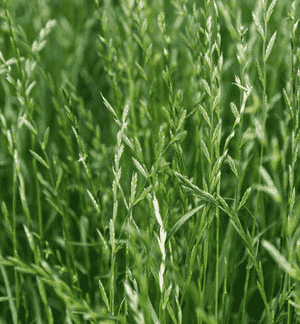
1
Perennial ryegrass withstands heavy use well, making it perfect for athletic fields and recreational areas.
2
This grass offers superb protection against soil loss and improves ground composition.
3
Perennial ryegrass is recognized for its fast growth and quick sprouting.
Why Opt for Perennial Ryegrass in Your Landscape?
Outstanding Toughness
A primary reason to select Perennial ryegrass is its remarkable resilience. This plant withstands daily wear and tear exceptionally well, making it perfect for high-traffic areas. Whether on sports fields, play areas, or public parks, Perennial ryegrass endures continuous use, keeping its vibrant look and consistency.
Quick Sprouting and Establishment
Perennial ryegrass is known for its rapid growth, a significant benefit for establishing new lawns or revitalizing old ones. Its fast germination ensures the landscape achieves its desired state quickly. This quality not only saves time but also improves landscape functionality sooner.
Ecological Advantages of Perennial Ryegrass
Soil Erosion Prevention
One of the most valuable environmental benefits of Perennial ryegrass is its effectiveness in preventing soil erosion. The plant's dense root system binds the soil, reducing its displacement by wind and water. This characteristic is especially useful for slopes and embankments prone to erosion, helping maintain landscape integrity while promoting better water filtration.
Soil Structure Improvement
Besides controlling erosion, Perennial ryegrass also significantly enhances soil structure. Its extensive root system boosts soil porosity, allowing for better air and water movement within the soil. This not only improves the overall health of the soil but also supports the growth of other plants by creating a more favorable environment.
Is Perennial Ryegrass Suitable for Lawn Care?
Minimal Upkeep Needs
For property owners, ease of maintenance is a key factor. Perennial ryegrass requires relatively little care compared to other species. Its ability to thrive with minimal fertilizer and infrequent mowing makes it an ideal choice for those seeking to reduce maintenance efforts without sacrificing lawn quality.
Pest and Weed Resistance
Another major benefit of Perennial ryegrass is its natural resistance to many common pests and weeds. This inherent strength lessens the need for chemical pesticides and herbicides, contributing to a healthier, more eco-friendly landscape. By naturally suppressing weed growth, Perennial ryegrass ensures the lawn remains attractive and functional with less interference from invasive species.
What Are Its Agricultural Uses?
Forage Quality
Perennial ryegrass is highly valued in farming for its excellent forage quality. It offers rich nutritional content, making it an ideal feed for livestock. The plant's palatability and digestibility ensure that animals not only consume it readily but also gain nutritional benefits, leading to improved overall health and productivity.
Crop Rotation Benefits
In crop rotation systems, Perennial ryegrass is crucial for restoring soil nutrients and breaking pest cycles. By alternating Perennial ryegrass, farmers can enhance soil fertility and structure, leading to stronger crop yields in subsequent planting seasons. Its inclusion in crop rotation strategies supports sustainable farming, promoting long-term agricultural productivity.
How Does Perennial Ryegrass Support Biodiversity?
Habitat Provision
Beyond its practical uses, Perennial ryegrass also plays a vital role in supporting local biodiversity. It offers habitat and food sources for various beneficial insects and wildlife, fostering a balanced ecosystem. Integrating Perennial ryegrass into landscapes encourages the presence of pollinators and natural pest predators, enhancing ecological health.
Carbon Sequestration
Perennial ryegrass contributes to environmental sustainability by storing carbon in its root biomass. This function helps lessen the effects of climate change by reducing atmospheric CO2 levels. Promoting the use of Perennial ryegrass in both agricultural and urban settings can thus be seen as a proactive step towards combating global warming while improving local environmental quality.



