The Creeping lilyturf Plant Advantage: Maximizing Home and Office Appeal and Wellness
1
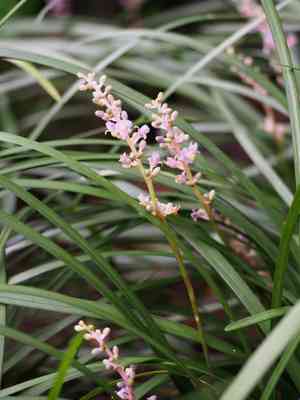
Liriope spicata provides superb ground coverage with little upkeep.
2
This species endures both low and high light conditions well.
3
Perfect for stopping soil loss because of its thick root network.
Why Opt for Creeping Lilyturf in Your Garden?
Minimal Upkeep Requirements
A key attractive quality of Creeping lilyturf is its minimal care demands. Once rooted, this plant needs little watering and flourishes in diverse soil types. It also resists most pests and diseases, making it a hassle-free addition to your landscape.
Adaptability in Garden Design
Creeping lilyturf is highly adaptable, fitting seamlessly into various garden aesthetics. Whether you desire a formal garden layout or a more naturalistic setting, this plant integrates effortlessly. Its grass-like foliage offers a soft, green backdrop for vibrant flowers and shrubs.
How Does Creeping Lilyturf Benefit the Ecosystem?
Prevents Soil Degradation
A significant ecological advantage of Creeping lilyturf is its capacity to prevent soil erosion. Its dense root system helps secure soil, making it an excellent choice for slopes and other areas prone to erosion. This not only safeguards the land but also enhances soil health over time.
Supports Local Wildlife
Creeping lilyturf can also provide for local fauna. Its thick foliage offers refuge for small creatures and insects, fostering a miniature ecosystem in your garden. Furthermore, the plant can improve soil quality, which in turn supports a healthier environment for various organisms.
What Are the Visual Advantages of Creeping Lilyturf?
Year-Round Greenery
Creeping lilyturf maintains its green hue throughout the year, offering continuous visual appeal. Unlike many plants that shed their leaves in winter, this plant retains its lush appearance, adding consistent beauty to your garden in every season.
Excellent for Ground Cover
Due to its spreading habit, Creeping lilyturf serves as superb ground cover. It can fill empty spaces between other plants, cover bare ground, and create a uniform look. This makes it especially useful for large garden beds and borders.
Practical Advice for Planting and Maintaining Creeping Lilyturf
Optimal Planting Methods
When planting Creeping lilyturf, selecting the correct site is crucial. Choose an area that receives partial to full sun and has well-draining soil. Dig a hole large enough for the root ball, and space multiple plants about a foot apart to allow for spreading.
Ongoing Maintenance
Caring for Creeping lilyturf is relatively simple. Water the plants regularly during the initial weeks to establish roots. Afterward, occasional watering during dry periods is sufficient. Trim back any overgrown foliage to maintain a neat appearance and encourage new growth.
Where Can You Incorporate Creeping Lilyturf in Landscaping?
Ideal for Edges and Paths
Creeping lilyturf can be effectively utilized along garden edges and pathways. Its compact growth ensures it won't overtake other plants or areas. Instead, it creates tidy, defined borders that can guide visitors through your garden.
Using Creeping Lilyturf in Shaded Gardens
Creeping lilyturf is a fantastic choice for shaded gardens, where many other plants struggle. It can add much-needed greenery to dim areas and thrive under trees or larger shrubs, making it a versatile and practical option for various garden settings.



