The Tulip poplar Plant Advantage: Maximizing Home and Office Appeal and Wellness
1
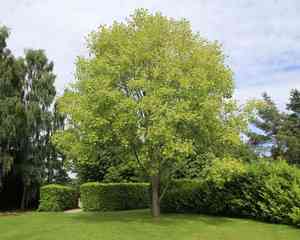
The Liriodendron tulipifera can reach heights of 120 feet, establishing it as one of the most massive trees in eastern North America.
2
It is recognized for its attractive, tulip-like blossoms, which draw in pollinators such as bees and hummingbirds.
3
The timber from the tulip poplar is prized for its adaptability and utilized in building and crafting furniture.
What Are the Ecological Benefits of Tulip poplar?
Supports Biodiversity
The Tulip poplar plays a vital role in fostering local biodiversity. Its blossoms are known to draw in various pollinators like bees, butterflies, and hummingbirds. These organisms aid in the pollination process, which is crucial for maintaining robust ecosystems. Furthermore, its expansive canopy offers a home and refuge for numerous bird species and small mammals.
Improves Soil Quality
The tree possesses extensive root systems that assist in preventing soil erosion. These roots stabilize the ground and enhance its structure by improving aeration and water penetration. Additionally, as its leaves fall and decay, they contribute organic matter to the soil, enriching it with vital nutrients that encourage the growth of other plants.
How Does Tulip poplar Benefit Human Activities?
Valuable Timber Resource
The wood from Tulip poplar is highly prized for its lightness, ease of working, and resistance to distortion. It is widely utilized in the production of furniture, cabinetry, and veneer. The lumber is also employed in construction for crafting doors, moldings, and other structural elements. Its adaptability makes it a preferred option for various woodworking endeavors.
Aesthetic and Landscaping Uses
With its towering height and striking blooms, Tulip poplar is a favored selection for decorative planting in parks, gardens, and along roadways. Its capacity for rapid growth and its appealing appearance make it a popular choice for landscaping projects. Moreover, its flowers provide a burst of color in the spring, enhancing the visual charm of any location.
What Are the Sustainable Aspects of Tulip poplar?
Carbon Sequestration
The Tulip poplar serves as an excellent carbon sink, absorbing substantial amounts of carbon dioxide throughout its lifespan. This aids in mitigating the impacts of climate change by reducing greenhouse gases in the atmosphere. As a rapidly growing tree, it sequesters carbon more quickly compared to other species, making it an essential component of reforestation and afforestation efforts.
Renewable Resource
The Tulip poplar is considered a renewable resource, especially when managed through sustainable forestry practices. Plantations of these trees can be harvested and replanted continuously, ensuring a consistent supply of wood without depleting natural forests. Sustainable management practices also guarantee that the ecological advantages of the tree are preserved.



