The Chinese tulip tree Plant Advantage: Maximizing Home and Office Appeal and Wellness
1
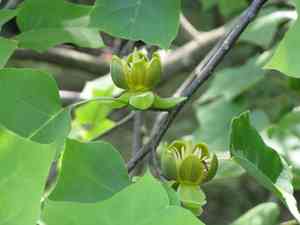
The Chinese tulip tree is recognized for its striking, sizable, tulip-shaped blossoms, enhancing any garden's beauty.
2
Its expansive crown makes this tree an excellent source of shade.
3
The Chinese tulip tree benefits native fauna by supplying sustenance and shelter for diverse creatures.
Why Cultivate the Chinese Tulip Tree?
Visual Appeal: Enhancing Your Garden's Beauty
A prominent characteristic of the Chinese tulip tree is its vivid, large, tulip-shaped blossoms, which appear in shades of yellow and green. These flowers can become the focal point of your garden, captivating all who observe them. Furthermore, the tree's broad, lustrous leaves provide a verdant backdrop that complements various garden designs, be they contemporary or classic.
Creating Natural Shade: The Perfect Outdoor Sanctuary
The Chinese tulip tree is renowned for its expansive canopy, offering abundant shadeâa vital attribute for those aiming to establish a comfortable outdoor living space. Whether you're setting up a garden bench, a hammock, or a picnic area, the shade from this tree can significantly enhance your outdoor experience. Moreover, during hot summer days, this shade can help decrease your homeâs cooling expenses by forming a natural barrier against the sun's heat.
How Does the Chinese Tulip Tree Benefit Local Ecosystems?
Supporting Wildlife: A Haven for Native Species
The Chinese tulip tree plays a crucial role in sustaining local wildlife. Its flowers serve as a rich nectar source for bees and other pollinators, which are essential for preserving biodiversity. Additionally, various bird species seek refuge in its branches, nesting and feeding on its seeds. This positions the Chinese tulip tree as an important component of the local food web and a sanctuary for numerous creatures.
Improving Soil Health: A Natural Nutrient Source
The fallen leaves of the Chinese tulip tree decompose, enriching the soil with vital nutrients. This natural fertilization enhances soil health, making it more fertile and better suited for cultivating other plants. Over time, the organic matter from decaying leaves also improves soil structure, aiding in water retention and reducing erosion.
What Are the Environmental Advantages of the Chinese Tulip Tree?
Carbon Sequestration: Reducing Your Environmental Impact
Like other trees, the Chinese tulip tree significantly contributes to absorbing carbon dioxide from the atmosphere, thereby lessening your carbon footprint. Its extensive foliage acts as a carbon sink, storing carbon that would otherwise contribute to global warming. By planting a Chinese tulip tree, you are not only beautifying your garden but also making a positive environmental contribution.
Air Purification: Facilitating Easier Breathing
The broad leaves of the Chinese tulip tree are also effective at capturing dust, pollen, and other airborne pollutants. This aids in purifying the air around your home, making it cleaner and healthier to inhale. In urban environments, where air pollution is a growing concern, planting a Chinese tulip tree can offer a natural solution to enhance air quality.
How to Maintain a Chinese Tulip Tree in Your Garden?
Optimal Growing Conditions: Sunlight, Soil, and Moisture
The Chinese tulip tree thrives in well-drained soil rich in organic matter. It requires moderate watering, particularly during its initial growth phase. Full sunlight to partial shade is ideal for optimal development. Ensuring these conditions will help your Chinese tulip tree flourish and deliver all its aforementioned benefits.
Pruning and Upkeep: Maintaining Your Tree's Vitality
Regular pruning is essential for preserving the shape and health of the Chinese tulip tree. Trim any dead or diseased branches to encourage new growth and prevent potential pest infestations. It is also advisable to mulch around its base to retain moisture and suppress weeds. Adhering to these maintenance guidelines will ensure your tree remains healthy and continues to benefit your garden.



