The Northern spicebush Plant Advantage: Maximizing Home and Office Appeal and Wellness
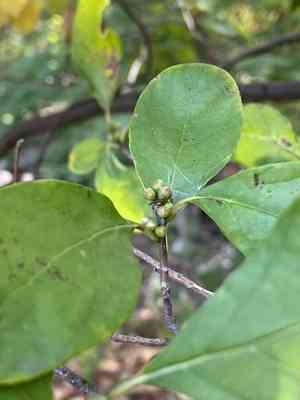
1
Northern spicebush is well-known for its fragrant qualities and has found application in fragrances, beverages, and cooking.
2
This shrub serves as an organic pest deterrent, providing a non-chemical method to ward off insects.
3
The fruit and foliage of Northern spicebush are consumable and frequently incorporated into customary meals.
What Makes Northern Spicebush So Special?
Distinctive Aromatic Qualities
A key characteristic of Northern spicebush is its unique aroma. Its leaves, twigs, and even its fruit release a spicy scent when crushed. This fragrant property has made it a popular ingredient in perfumes, teas, and cooking. The smell is often likened to a mix of allspice and lemon, making it an appealing addition to any recipe or scent blend.
Diverse Culinary Applications
Northern spicebush's aromatic traits extend beyond its smell. Its berries, leaves, and twigs are all edible and have been incorporated into traditional recipes for centuries. The berries can be dried and ground into a spice, which can enhance the taste of both sweet and savory dishes. The leaves and twigs can be brewed into a tea, offering a refreshing drink with calming effects.
Natural Pest Deterrent
Northern spicebush acts as a natural insect repellent. Its aromatic compounds discourage pests, offering a chemical-free method to keep bugs away. This makes it an excellent plant to have around the home, especially in gardens where chemical pesticides are not desired. By simply planting Northern spicebush or using its leaves and branches strategically, you can create an environment less appealing to insects.
How to Cultivate and Care for Northern Spicebush
Optimal Growing Conditions
Northern spicebush thrives in moist, well-drained soil rich in organic matter. It prefers partial to full shade, making it an ideal plant for woodland settings. The plant is resilient, able to withstand various weather conditions, but it grows best in temperate climates. Ensure the soil stays consistently damp but not waterlogged, as excessive moisture can harm the roots.
Planting and Maintenance Advice
To plant Northern spicebush, dig a hole twice as wide but the same depth as the root ball. Place the plant in the hole, backfill with soil, and water thoroughly. Mulching around the base helps retain moisture and control weeds. Pruning is crucial for maintaining the plant's shape and health. Prune in late winter or early spring before new growth begins. Remove dead or damaged branches and thin out dense areas to improve air circulation.
Pest and Disease Management
Northern spicebush is generally resistant to pests and diseases, but it can occasionally encounter issues like powdery mildew and aphids. For powdery mildew, ensure good air circulation and avoid overhead watering. Neem oil or insecticidal soap can help manage aphids. Regularly inspect the plant for signs of stress or infestation and take prompt action to resolve any problems.
Practical Uses of Northern Spicebush
Craft and Decorative Uses
Beyond its culinary and aromatic applications, Northern spicebush is also valuable for crafts and decorations. Its branches can be used to create wreaths, and its berries can be strung into garlands. The vibrant yellow flowers that bloom in early spring add a splash of color to any garden or floral arrangement. The leaves, which turn a beautiful shade of yellow in the fall, are perfect for autumn-themed decorations.
Traditional Practices and Lore
Historically, Northern spicebush has been incorporated into various cultural practices. Indigenous peoples and early settlers utilized different parts of the plant for medicinal and culinary purposes. While modern science has disproven some of these traditional uses, the cultural significance of Northern spicebush endures. Its use in traditional recipes and as a natural remedy still holds appeal and practicality for many.



