The Dwarf ambulia Plant Advantage: Maximizing Home and Office Appeal and Wellness
1
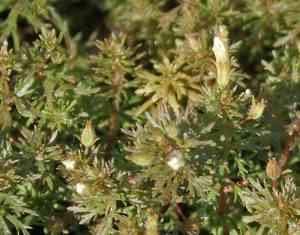
Dwarf ambulia adds beauty to aquariums with its dense green leaves.
2
It helps purify water by taking in surplus nutrients.
3
This plant fosters a thriving aquatic habitat through water oxygenation.
Why Incorporate Dwarf Ambulia into Your Aquarium?
Cultivating a Natural Look
Dwarf ambulia is prized for its appealing, delicate leaves that impart a touch of organic grace to any aquatic setup. Its vivid green hue offers a lovely contrast with other water plants and fish, forming a rich, submerged garden. Furthermore, Dwarf ambulia can develop thickly, providing a natural, woodland-like appearance often desired by aquarists.
Enhancing Water Purity
A less obvious but highly advantageous characteristic of Dwarf ambulia is its capacity to improve water quality. By absorbing surplus nutrients like nitrates and phosphates, it aids in maintaining balanced water chemistry, thereby reducing the likelihood of algal blooms. This absorption process not only keeps the water clear but also fosters a healthier environment for your aquarium inhabitants.
How Does Dwarf Ambulia Contribute to a Thriving Aquatic Ecosystem?
Water Oxygenation
Dwarf ambulia plays a vital role in oxygenating the water within an aquarium. Through photosynthesis, it generates oxygen, which is crucial for fish and other aquatic organisms. This elevated oxygen level supports a more robust and lively ecosystem, promoting the well-being of all aquarium residents.
Providing Habitat and Refuge
The dense growth of Dwarf ambulia offers excellent hiding spots and protection for small fish and invertebrates. This can alleviate stress among aquarium inhabitants, as they have ample places to retreat and feel secure. Moreover, the plant's intricate structure provides breeding grounds for various species, encouraging natural behaviors and overall ecosystem equilibrium.
What Are the Growth and Maintenance Needs for Dwarf Ambulia?
Light and CO2 Requirements
Dwarf ambulia flourishes under moderate to high illumination, making it essential to supply sufficient light to support its vigorous development. While it can grow without additional CO2, supplementing CO2 can significantly boost its growth rate and overall vitality. Ensuring your aquarium's lighting and CO2 levels are optimized will help Dwarf ambulia thrive.
Water Parameters
To sustain healthy growth, Dwarf ambulia prefers water parameters within specific ranges. Ideally, the water temperature should be between 22°C to 28°C, with a pH range of 6.0 to 7.5. Regular water changes and monitoring of water quality parameters will ensure the plant remains in optimal condition, effectively contributing to the aquarium's ecosystem.
Are There Any Challenges in Cultivating Dwarf Ambulia?
Potential for Overgrowth
Dwarf ambulia can grow rapidly under ideal conditions, potentially leading to excessive growth if not managed properly. Regular trimming of the plant is necessary to prevent it from overshadowing other aquatic plants or occupying too much space in the aquarium. Pruning also encourages bushier growth, making the plant even more appealing.
Correct Placement in Aquarium
Due to its swift growth and dense foliage, it is crucial to carefully position Dwarf ambulia within your aquarium. It is best suited as a background plant, where it can grow freely without obstructing the view of other plants and fish. Proper placement ensures that all elements of your aquarium receive adequate light and space to grow.
How Can Dwarf Ambulia Enhance Your Aquascaping Projects?
Creating Visual Depth
In aquascaping, establishing a sense of depth is vital for an aesthetically pleasing arrangement. Dwarf ambulia can be highly effective in achieving this by being strategically positioned at the rear of the tank. Its tall and lush growth provides a natural backdrop, making smaller plants and decorations in the foreground more prominent.
Complementing Other Plants and Hardscapes
Dwarf ambulia integrates well with a variety of other aquatic plants and decorative elements such as rocks and driftwood. Its vibrant green color stands out against darker hardscapes, while its fine texture complements broader-leaved plants. This adaptability allows aquarists to design elaborate and visually stunning aquascapes effortlessly.



