The Columbia lily Plant Advantage: Maximizing Home and Office Appeal and Wellness
1
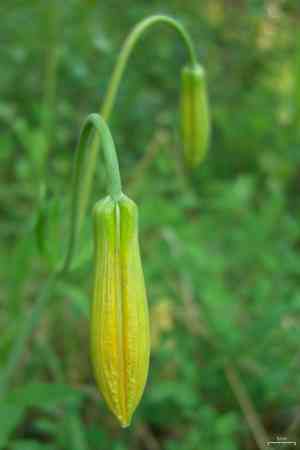
The Columbia lily is recognized for its attractive, campanulate blossoms.
2
It offers environmental advantages by drawing in pollinators like bees and butterflies.
3
Historically utilized by native communities for its edible root structures.
What Are the Environmental Advantages of Columbia lily?
Supports Pollinators
Columbia lily plays a vital part in sustaining local ecosystems by drawing in diverse pollinators. Its vibrant hues and sweet nectar attract bees, butterflies, and other insects, which, in turn, aid in the pollination process. This symbiotic relationship is crucial for preserving biodiversity and ensuring numerous plant species' survival.
Enhances Soil Health
The presence of Columbia lily can positively influence soil quality. Its root system assists in soil aeration and can improve soil structure. By boosting the organic matter in the soil, Columbia lily contributes to better water retention and nutrient cycling, making the surrounding environment more fertile and sustainable.
How Can Columbia lily Be Incorporated into Garden Design?
Visual Appeal
Columbia lily is a favorite among gardeners due to its striking visual appeal. The bell-shaped blossoms come in various colors, including bright yellows and oranges, which can add a burst of color to any garden. Planting Columbia lily can create a captivating focal point in garden beds, borders, and wildflower meadows.
Low Maintenance
One of the benefits of integrating Columbia lily into your garden is its relatively low upkeep requirements. It flourishes in well-drained soils and can endure partial shade, making it adaptable to various garden settings. Consistent watering and occasional feeding are typically sufficient to keep Columbia lily healthy and blooming.
What Are the Historical Uses of Columbia lily?
Edible Bulbs
Indigenous communities have historically used the bulbs of Columbia lily as a food source. The bulbs can be harvested and cooked, providing a source of carbohydrates. This traditional knowledge underscores the plant's significance beyond its decorative value.
Medicinal Applications
Beyond its use as food, Columbia lily has been valued for its medicinal properties in various traditional practices. While not extensively documented in modern literature, its historical use by indigenous people for a range of ailments speaks to the plant's diverse applications.
How to Grow Columbia lily in Your Garden?
Planting Conditions
Columbia lily thrives in conditions that mimic its natural habitat. Plant the bulbs in a location that receives partial shade and has well-drained soil. Early spring is the optimal time to plant the bulbs to ensure proper establishment.
Care and Maintenance
Once established, Columbia lily requires minimal attention. Water the plant regularly but ensure the soil does not become waterlogged. Mulching can help retain moisture and suppress weeds. Removing spent flowers will encourage further blooming and help maintain the plant's vigor.
Why Is Columbia lily Important for Conservation Efforts?
Preserving Biodiversity
Due to its role in supporting pollinators and enhancing soil health, Columbia lily is a crucial element of conservation initiatives. Promoting the cultivation and protection of this species can help maintain the balance of local ecosystems.
Educational Value
Columbia lily serves as an excellent teaching tool for raising awareness about native plants and their ecological importance. By incorporating Columbia lily into community gardens and educational programs, we can foster a deeper understanding and appreciation of biodiversity and conservation.



