The Dotted Gayfeather Plant Advantage: Maximizing Home and Office Appeal and Wellness
1
Draws in beneficial insects such as butterflies and bees.
2
Resistant to dry conditions, ideal for water-wise landscaping.
3
Yields colorful blooms that boost visual attractiveness.
Why Dotted Gayfeather is an Excellent Choice for Your Garden
Resilience to Dry Conditions
A key advantage of Dotted Gayfeather is its remarkable ability to withstand drought. This robust plant is well-suited to dry, arid environments, making it perfect for areas with water restrictions. Its deep root system allows it to access moisture deep in the ground, reducing the need for frequent irrigation. This trait not only conserves water but also lessens the effort needed for garden upkeep.
Visual Appeal
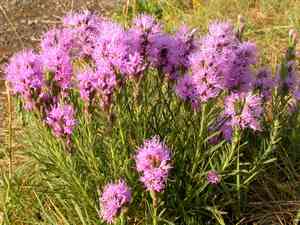
Dotted Gayfeather is celebrated for its striking look. The plant produces tall stalks of vivid flowers that bloom in shades of purple, pink, and white. These captivating blossoms can greatly enhance any garden's visual charm. Furthermore, its distinctive feathery foliage adds texture and depth, creating a pleasing landscape that can be enjoyed throughout the growing season.
How Dotted Gayfeather Benefits the Environment?
Attracts Beneficial Insects
Another notable benefit of Dotted Gayfeather is its capacity to draw in pollinators. Its vibrant flowers are highly attractive to butterflies, bees, and other helpful insects. By cultivating Dotted Gayfeather, you can support local pollinator populations, which are vital for maintaining the diversity and health of natural ecosystems. This, in turn, can boost the productivity of other plants in your garden, as effective pollination leads to better fruit and seed development.
Ideal for Water-Wise Landscaping
Xeriscaping involves designing landscapes with plants that need minimal water. Dotted Gayfeather's drought-resistant nature makes it an excellent candidate for xeriscaping projects. This not only saves water but also reduces the demand for fertilizers and pesticides. Choosing Dotted Gayfeather for your garden can lead to a more sustainable and eco-friendly landscape, aligning with modern gardening practices focused on conservation and sustainability.
Where Can Dotted Gayfeather Thrive?
Soil Preferences
Dotted Gayfeather flourishes in well-drained, sandy, or rocky soils. It prefers soil conditions that prevent waterlogging, which can harm its roots. If your garden has heavy clay soil, consider amending it with sand or organic matter to improve drainage. The adaptability of Dotted Gayfeather to various soil types makes it a versatile option for different garden environments.
Light Requirements
Full sunlight is crucial for Dotted Gayfeather's optimal growth. The plant needs at least six hours of direct sunlight daily to produce its best blooms. Planting Dotted Gayfeather in a sunny location ensures vigorous growth and abundant flowering. It can also tolerate partial shade, though flowering may be less profuse compared to full sun conditions. By understanding and providing the right growing conditions, you can fully realize the potential of Dotted Gayfeather in your garden.
What Maintenance Does Dotted Gayfeather Require?
Low Watering Needs
Once established, Dotted Gayfeather needs very little watering, making it a low-maintenance plant. In its first year, consistent watering is necessary to help the plant develop a deep root system. Afterward, natural rainfall usually suffices. Overwatering can be harmful, so it's important to allow the soil to dry out between waterings.
Trimming and Deadheading
To keep Dotted Gayfeather looking its best, some trimming and deadheading are advisable. Removing faded flowers encourages the plant to produce new blooms, extending its flowering period. Additionally, cutting back the plant at the end of the growing season helps maintain a neat appearance and prepares it for the next growth cycle.



