The Lyme grass Plant Advantage: Maximizing Home and Office Appeal and Wellness
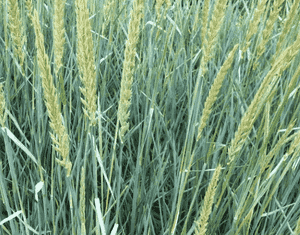
1
Lyme grass excels at securing seaside dunes and stopping soil loss.
2
This resilient plant is recognized for flourishing in severe coastal environments.
3
Lyme grass offers environmental advantages by aiding native fauna and preserving ground quality.
What Are the Main Advantages of Lyme grass?
Erosion Prevention
A primary advantage of Lyme grass is its effectiveness in preventing erosion. Its extensive root networks help secure sand and soil in coastal regions, lessening the danger of shoreline degradation. This makes it an invaluable plant for stabilizing dunes and safeguarding coastlines from wave and wind impact.
Resilience to Harsh Conditions
Lyme grass is well-known for its capacity to flourish in severe coastal environments. Its tolerance to salt and resistance to strong winds allow it to survive where many other plants cannot. This adaptability not only ensures its survival but also provides refuge and sustenance for various animal species in challenging habitats.
Support for Biodiversity
Lyme grass fosters biodiversity by creating habitats for various insects, birds, and other wildlife. Its presence in coastal ecosystems contributes to the overall vitality and stability of these areas. The plant's ability to enhance soil quality by preventing nutrient loss further strengthens its role in supporting a diverse array of species.
How Does Lyme grass Improve Soil Quality?
Nutrient Preservation
The extensive root systems of Lyme grass are vital in retaining nutrients within the soil. This minimizes nutrient runoff into the ocean, which can lead to water quality problems. By preserving nutrients, Lyme grass helps maintain the fertility and health of coastal soils, promoting the growth of other plants in the area.
Organic Matter Buildup
Lyme grass contributes to the accumulation of organic matter in the soil. As the plant's roots and leaves decompose, they add valuable organic material to the soil, improving its structure and fertility. This organic matter also encourages the presence of beneficial microorganisms, which further enhance soil health and fertility.
What Is the Function of Lyme grass in Ecosystem Services?
Carbon Storage
Like many plants, Lyme grass plays a critical role in carbon sequestration. Through photosynthesis, Lyme grass absorbs carbon dioxide from the atmosphere and stores it in its biomass and the soil. This helps to mitigate the effects of climate change by reducing the amount of greenhouse gases in the atmosphere.
Water Purification
Lyme grass also aids in water filtration in coastal areas. As water passes through the plant's root systems, it is filtered and purified, reducing the presence of pollutants and sediments. This natural filtration process improves water quality and supports healthier marine and coastal ecosystems.



