The Texas ranger Plant Advantage: Maximizing Home and Office Appeal and Wellness
1
The Texas ranger flourishes in arid, warm environments, needing little water after it's rooted.
2
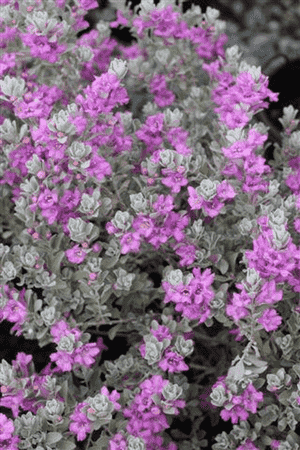
It produces beautiful violet flowers that draw in helpful pollinators.
3
Beyond its decorative appeal, this plant also aids in preventing soil erosion.
How Does Texas ranger Enhance Your Garden's Aesthetics?
Visual Appeal Through Striking Blooms
A key captivating aspect of Texas ranger is its vivid purple flowers. These blossoms offer a stark contrast against the plant's silver-green leaves, creating a visually stunning display. The flowers emerge in successive flushes throughout the growing period, providing continuous color and interest in your garden. This cyclical blooming not only boosts visual charm but also ensures your garden stays vibrant and appealing all year.
Complementary to Various Landscaping Styles
Texas ranger integrates effortlessly into diverse landscaping themes, whether you prefer a modern, minimalist approach or a more traditional, cottage-style garden. Due to its adaptable color and texture, it can be paired with various other plants and design elements to form harmonious and visually pleasing arrangements. Additionally, its compact growth habit makes it suitable for use in borders, containers, and as foundation plantings.
Why Is Texas ranger Ideal for Low-Maintenance Gardening?
Thriving in Drought Conditions
A prominent advantage of Texas ranger is its drought tolerance. Originating from arid regions, it has adapted to survive with minimal water. Once established, Texas ranger requires little additional irrigation, making it an excellent choice for water-wise gardening. This characteristic is especially beneficial in areas prone to extended dry periods where water conservation is crucial. Gardeners can enjoy a lush landscape without constant watering worries.
Minimal Pest and Disease Issues
Texas ranger is notably resistant to many common garden pests and diseases, lessening the need for frequent chemical treatments. Its robust nature means less time and money spent on pest control, and more time enjoying a healthy, thriving garden. This resilience also means the plant maintains its visual appeal with fewer instances of foliage damage or flower loss, ensuring your garden remains attractive with minimal intervention.
How Does Texas ranger Benefit Local Wildlife?
Attracting Pollinators
Texas ranger serves as an excellent lure for bees, butterflies, and other beneficial pollinators. The plant's abundant flowers provide a rich source of nectar, supporting the dietary needs of these vital species. By encouraging the presence of pollinators, Texas ranger not only boosts biodiversity in your garden but also aids in the pollination of other plants, contributing to a more dynamic and productive garden ecosystem.
Providing Shelter and Habitat
Beyond its role in attracting pollinators, Texas ranger also offers refuge and nesting sites for small birds and insects. Its dense, compact foliage provides an ideal environment for these creatures to flourish. In urban or suburban settings, where natural habitats may be limited, incorporating Texas ranger can help create a micro-habitat that supports local wildlife, promoting a balanced and healthy ecosystem.
What Makes Texas ranger Environmentally Friendly?
Erosion Control and Soil Stabilization
The extensive root system of Texas ranger makes it highly effective in preventing erosion and stabilizing soil. When planted on slopes or in areas susceptible to erosion, its roots help to anchor the soil, preventing displacement and loss. This property is particularly beneficial in landscapes where soil conservation is a priority, such as near water bodies or on hilly terrain.
Reduces Carbon Footprint of Gardening
Due to its low water and maintenance requirements, Texas ranger contributes to a reduction in the carbon footprint associated with gardening. Less frequent watering means reduced use of irrigation systems and, consequently, lower energy consumption. Furthermore, the minimal need for pesticides and fertilizers reduces the environmental impact associated with these chemicals, promoting a more sustainable gardening practice.



