The Oxeye daisy Plant Advantage: Maximizing Home and Office Appeal and Wellness
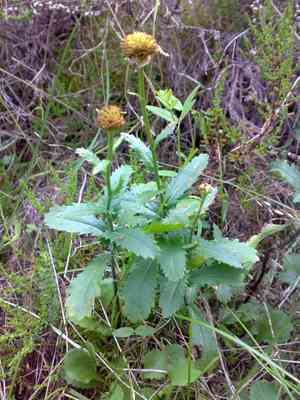
1
Improves garden appearance through its lovely and hardy flowers.
2
Promotes ecological diversity by drawing in beneficial insects such as bees and butterflies.
3
Possesses historical applications in folk medicine and domestic uses.
Why Incorporate Oxeye Daisy into Your Garden?
Enhances Garden Visuals
Oxeye daisy showcases striking white petals encircling a bright yellow core, creating an appealing visual contrast that can elevate any garden's aesthetic. Its blossoms appear from early summer through autumn, offering a prolonged display of natural beauty. Whether planted in large groups or as part of a mixed border, Oxeye daisy can serve as a captivating element that improves your garden's overall appearance.
Simple to Grow and Maintain
A significant benefit of Oxeye daisy is its adaptability and ease of cultivation. This plant thrives in various soil types and tolerates both drought and poor soil conditions well. It requires minimal upkeep, making it an excellent choice for new gardeners or those with busy schedules. Removing spent flowers can encourage continuous blooming, but otherwise, Oxeye daisy is quite self-sufficient.
How Does Oxeye Daisy Benefit Local Ecosystems?
Supports Pollinating Insects
Oxeye daisy plays a vital role in sustaining local biodiversity. Its vibrant flowers attract a diverse array of pollinators, including bees, butterflies, and other beneficial insects. These pollinators are crucial for ecosystem health as they aid in the fertilization of various other plants, boosting the biodiversity of your garden and surrounding areas.
Natural Pest Management
Beyond attracting pollinators, Oxeye daisy also draws in predatory insects that naturally control garden pests. Ladybugs, lacewings, and other helpful insects are drawn to the plant, helping to keep aphids, mites, and other harmful pests in check. This fosters a balanced ecosystem, reducing the need for chemical pesticides and promoting a healthier garden environment.
What Are Some Traditional Uses of Oxeye Daisy?
Culinary Applications
Historically, Oxeye daisy has been used in various cooking applications. Its young leaves can be consumed raw in salads or cooked as greens. The flowers themselves can be used to garnish dishes, adding an elegant touch to culinary presentations. While the taste might be somewhat bitter, it provides an interesting flavor profile to different meals.
Household Uses
Beyond the kitchen, Oxeye daisy has found use in several household applications. Dried flowers can be incorporated into potpourri to bring a natural, pleasant scent to homes. The plant has also been included in some traditional crafting practices, such as in the creation of natural dyes and decorative wreaths.
How to Cultivate and Care for Oxeye Daisy?
Planting Advice
For those looking to add Oxeye daisy to their garden, the ideal time to plant is in the spring or early autumn. Select a sunny location, though it can also endure partial shade. Loosen the soil and mix in some compost to ensure good drainage and nutrient availability. Space the plants approximately 12 to 18 inches apart to allow for growth and air circulation.
Routine Maintenance
Once established, Oxeye daisy requires minimal care. Water the plant regularly during its initial growth phase, but once mature, it becomes quite drought-tolerant. Applying mulch around the base can help retain moisture and suppress weeds. As the flowers fade, deadhead them to encourage new blooms and prevent the plant from becoming too leggy.
Are There Any Precautions to Consider?
Invasive Tendencies
While Oxeye daisy offers numerous advantages, it's important to be aware of its potential to spread aggressively in certain regions. The plant can reproduce quickly and extend beyond its intended area. To prevent this, regularly monitor the plant and remove any unwanted seedlings. In some areas, specific permits may be needed to grow Oxeye daisy, so check local regulations before planting.
Allergies
Although Oxeye daisy is generally safe, some individuals might experience allergic reactions to its pollen. If you or anyone in your household has a history of allergies, consider planting the flower away from high-traffic areas in your garden. Wearing gloves while handling the plant can also help minimize contact and reduce the likelihood of an allergic reaction.



