The Shasta daisy Plant Advantage: Maximizing Home and Office Appeal and Wellness
1
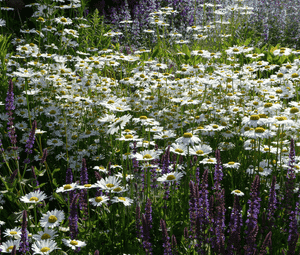
The Shasta daisy is recognized for its lovely white flowers, which bring grace to any outdoor space.
2
This species tolerates dry conditions well, requiring minimal upkeep and simple care.
3
Shasta daisies draw in beneficial insects such as bees and butterflies, supporting a thriving natural environment.
What Are the Distinct Advantages of Shasta Daisy?
Pleasing Appearance
A primary reason gardeners cherish Shasta daisy is its visually appealing blossoms. The pristine white petals and contrasting yellow centers create a striking look that can brighten any garden. This aesthetic quality is ideal for establishing focal points in your landscape design.
Low Upkeep and Drought Tolerance
Shasta daisy is praised for its minimal maintenance needs. Due to its ability to withstand dry conditions, it requires less frequent irrigation, making it a perfect plant for busy gardeners or those in areas with water restrictions. This resilience also means Shasta daisy can flourish in various soil types and conditions.
How Does Shasta Daisy Affect the Environment?
Attracting Pollinators
Shasta daisy is known for drawing beneficial pollinators such as bees and butterflies. These insects are vital for the ecosystem as they assist in pollinating many other plants, contributing to biodiversity and a healthy garden environment. By cultivating Shasta daisy, you support local wildlife and enhance ecological balance.
Soil Stabilization
The strong root system of Shasta daisy helps in stabilizing soil and preventing erosion. By planting Shasta daisy on sloped or loose soil areas, gardeners can avert soil degradation, thereby preserving soil health and encouraging plant growth. This makes it an excellent option for gardens with varied topography.
How to Efficiently Care for Shasta Daisy?
Optimal Planting Conditions
To ensure Shasta daisy thrives, it's essential to plant it in well-draining soil and a location that receives full sun to partial shade. Although it resists drought, consistent watering during the initial planting year will help establish a robust root system.
Trimming and Deadheading
Regular trimming and deadheading are crucial to maintain Shasta daisy's health and encourage continuous flowering. Deadheading, or removing faded blooms, prevents the plant from expending energy on seed production and instead allows it to focus on producing more flowers. Pruning should occur in late fall or early spring to remove any damaged or diseased stems.
Common Pests and Solutions for Shasta Daisy
Managing Aphids
Aphids can sometimes infest Shasta daisy, extracting sap from stems and leaves. To combat aphids, gardeners can use insecticidal soap or introduce natural predators like ladybugs to the garden. Keeping the plant healthy through proper watering and fertilization also reduces the likelihood of infestations.
Controlling Powdery Mildew
Powdery mildew is a common fungal disease that appears as a white powdery substance on Shasta daisy leaves. Improving air circulation around the plant and avoiding overhead watering can help prevent this issue. Fungicides may also be used if the problem persists.
Seasonal Care Advice for Shasta Daisy
Spring and Summer Maintenance
During the active growth period in spring and summer, ensure Shasta daisy receives ample sunlight and water. Fertilize the plant with a balanced, slow-release fertilizer to promote vigorous growth and abundant blooms.
Fall and Winter Preparation
In the fall, cut back the stems to about 2-3 inches above the ground after the first frost. Applying mulch around the plant's base can provide insulation against harsh winter temperatures. While Shasta daisy is generally resilient, this extra step ensures it survives the colder months and emerges vibrant in the spring.



