The Japanese larch Plant Advantage: Maximizing Home and Office Appeal and Wellness
1
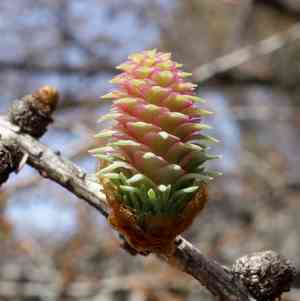
The Japanese larch is a robust, rapidly developing tree well-suited for reforestation initiatives.
2
Timber from Japanese larch exhibits strong resistance to insects and decomposition.
3
Japanese larch offers considerable ecological advantages through enhancing soil health and regional biodiversity.
Ecological Advantages of Japanese Larch
How Does Japanese Larch Enhance Soil Quality?
A key ecological advantage of Japanese larch is its capacity to enrich soil. Its roots delve deep, breaking up compacted earth and improving water penetration. This is especially useful in areas with poor soil, fostering a more welcoming environment for other plants and microbes. Furthermore, its fallen needles decompose, adding organic matter and vital nutrients to the soil.
What Role Does Japanese Larch Play in Boosting Biodiversity?
Japanese larch provides a habitat for diverse wildlife, from insects to birds. Its dense foliage offers shelter and nesting sites, supporting a wide array of species. Moreover, its soil-improving abilities create a more fertile ground for other flora, promoting a flourishing ecosystem. This boost to local biodiversity makes Japanese larch crucial for ecological restoration.
Economic Advantages of Japanese Larch
Why is Japanese Larch Ideal for Wood Production?
Japanese larch is highly valued in the timber industry for its strong, durable wood. Its rapid growth makes it a sustainable choice for wood production. The wood resists pests and decay, reducing the need for chemical treatments and extending product lifespan. This makes Japanese larch an economically sound option for various construction and manufacturing needs, from building homes to crafting furniture.
How Does Japanese Larch Contribute to Income Generation?
The economic benefits of Japanese larch extend beyond timber. It's often used in agroforestry, grown alongside crops. This provides farmers with extra income from timber and benefits crops by improving soil and offering windbreaks. Additionally, Japanese larch is used in landscaping and urban planning, further boosting its economic worth.
Practical Uses of Japanese Larch
How is Japanese Larch Utilized in Reforestation Efforts?
Japanese larch is a popular choice for reforestation due to its fast growth and adaptability to various soil and climate conditions. Its ability to improve soil and support biodiversity makes it excellent for restoring degraded lands. These projects serve ecological goals and offer economic benefits through timber and increased land value.
What Makes Japanese Larch Suitable for Urban Green Spaces?
In urban areas, Japanese larch is often planted to enhance aesthetics and provide environmental benefits. Its growth habit and foliage make it an attractive option for parks, streetscapes, and residential areas. Additionally, its resilience to pollution and ability to thrive in less-than-ideal soil make it a low-maintenance choice for urban greenery.



