The Trailing lantana Plant Advantage: Maximizing Home and Office Appeal and Wellness
1
Recognized for its minimal upkeep, Trailing lantana flourishes across diverse weather conditions.
2
Its vivid blossoms introduce a splash of hue and draw in beneficial insects.
3
It functions as superb ground cover, inhibiting soil degradation and suppressing unwanted plants.
Why Opt for Trailing Lantana in Your Garden?
Vivid and Enduring Blossoms
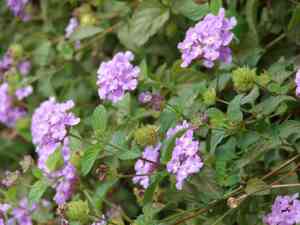
A key characteristic of Trailing lantana is its brilliant flowers, appearing in hues of purple, lavender, pink, and white. These blooms can persist from early spring until the initial frost, providing continuous color to your garden. The flowers also emit a subtle, pleasant scent, enhancing the sensory appeal of your outdoor area.
Attracts Beneficial Insects
Another significant advantage of Trailing lantana is its capacity to draw in pollinators like bees, butterflies, and hummingbirds. The plant's nectar-rich flowers serve as a food source for these vital creatures, aiding in the support of local ecosystems. By cultivating Trailing lantana, you're not only beautifying your garden but also contributing to environmental sustainability.
Practical Advantages of Trailing Lantana
Low Upkeep and Hardy
Trailing lantana is well-known for being low-maintenance, making it ideal for both new and experienced gardeners. The plant requires minimal irrigation once established and can flourish in various soil types and climatic conditions. Its drought tolerance means you won't need to worry about frequent watering, making it an eco-friendly option as well.
Excellent Ground Cover
Trailing lantana is a superb choice for ground cover, thanks to its spreading growth habit. It effectively covers large soil areas, preventing erosion and weed proliferation. This not only keeps your garden tidy but also reduces the need for chemical herbicides and constant weeding. Furthermore, its dense foliage can help retain soil moisture, further decreasing the need for irrigation.
How to Care for Trailing Lantana
Planting Guidelines
When planting Trailing lantana, select a spot that receives ample sunlight. While it can endure partial shade, full sun will ensure optimal growth and the most vibrant blooms. Prepare the soil by ensuring it drains well, as Trailing lantana does not thrive in waterlogged conditions. Dig a hole slightly larger than the root ball, place the plant, and backfill with soil, gently pressing to remove air pockets.
Watering and Fertilization
Trailing lantana is drought-resistant once established but will require regular watering during its initial growth phase. Water the plant deeply once or twice weekly, depending on weather and soil conditions. Once mature, it only needs watering during extended dry periods. For fertilization, a balanced, slow-release fertilizer applied in early spring will suffice. Avoid excessive fertilizing, as it can lead to abundant foliage growth at the expense of flowers.
Design Concepts Using Trailing Lantana
Border Plantings
Trailing lantana performs exceptionally as a border plant due to its cascading nature and long-lasting flowers. Plant it along the edges of flower beds, pathways, or patios for a burst of color that will endure throughout the growing season. Its trailing characteristic makes it particularly attractive when planted along walls or in elevated beds.
Container Gardening
You can also utilize Trailing lantana in container gardens to add height and visual interest. Employ it as a 'spiller' plant in combination with 'thriller' and 'filler' plants in large containers or hanging baskets. Its trailing branches will gracefully cascade over the sides, creating a lush, overflowing appearance. This application is perfect for adding color and vitality to balconies, decks, and other small outdoor areas.



