The Crepe myrtle Plant Advantage: Maximizing Home and Office Appeal and Wellness
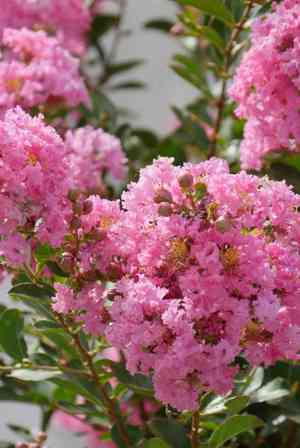
1
Crepe myrtle adapts well to diverse soil conditions, offering flexibility for various garden settings.
2
This plant is recognized for its vivid and enduring flowers, enhancing the beauty of outdoor spaces.
3
Crepe myrtle draws in beneficial insects such as bees and butterflies, contributing to local biodiversity.
What are the Main Advantages of Crepe myrtle?
Lively and Enduring Flowers
A prominent characteristic of Crepe myrtle is its vivid and long-lasting blossoms. The flowers come in diverse hues, including pink, white, red, and purple, offering a stunning visual display throughout the active growth period. These blooms can persist for several months, ensuring your garden stays colorful and lively for an extended duration. Furthermore, the plant's exfoliating bark adds an interesting textural element to your garden, even during the colder months.
Versatility with Various Soil Types
Crepe myrtle is recognized for its ability to adapt to a broad spectrum of soil conditions, including clay, loam, and sandy soils. This makes it an excellent choice for different garden environments, as it can flourish without requiring specialized soil amendments. The plant is also drought-tolerant once established, reducing the need for frequent watering and making it a low-maintenance addition to your landscape.
How Does Crepe myrtle Benefit Local Ecosystems?
Attracting Pollinators
One of the ecological advantages of Crepe myrtle is its capacity to draw in a variety of pollinators, such as bees, butterflies, and other beneficial insects. These pollinators play a vital role in sustaining the health and biodiversity of your garden. By providing a consistent food source through its abundant flowers, Crepe myrtle supports local pollinator populations, contributing to the overall health of the ecosystem.
Offering Shelter for Wildlife
Beyond attracting pollinators, Crepe myrtle can also provide refuge for diverse wildlife species. Its dense foliage offers a safe haven for birds and small mammals, protecting them from predators and harsh weather conditions. This makes Crepe myrtle a valuable component of a wildlife-friendly garden, fostering a balanced and flourishing ecosystem.
How Can Crepe myrtle Be Utilized in Garden Design?
Creating Striking Focal Points
Crepe myrtle can be employed to establish impressive focal points in your garden design. Its captivating blooms and distinctive bark texture make it an excellent option for highlighting key areas of your landscape. Whether planted as a solitary specimen or grouped together in a mass planting, Crepe myrtle can capture attention and add visual interest to your garden.
Flexibility in Landscaping Applications
The adaptability of Crepe myrtle extends beyond its aesthetic appeal. It can be used in various landscaping applications, such as in borders, hedges, and screens. Its ability to adjust to different soil conditions and its minimal maintenance requirements make it a practical choice for a range of gardening projects. Additionally, Crepe myrtle can be pruned to suit specific design needs, whether you desire a tree-like form or a more compact shrub.
What Care Recommendations Should You Follow for Crepe myrtle?
Planting and Soil Preparation
When planting Crepe myrtle, it's crucial to select a location with ample sun exposure to maximize its blooming potential. Although the plant adapts to various soil types, ensuring proper drainage will help prevent root rot and other issues. Incorporating organic matter into the soil can enhance fertility and support robust growth.
Pruning and Upkeep
Pruning is a vital aspect of Crepe myrtle care, as it encourages new growth and maintains the plant's form. Prune the plant in late winter or early spring before new growth commences, focusing on removing dead or diseased branches. Regular pruning will help improve air circulation and allow sunlight to reach the inner branches, promoting a healthier and more vibrant plant.
What Are Common Pests and Diseases Affecting Crepe myrtle?
Pests to Monitor
While Crepe myrtle is relatively hardy, it can be vulnerable to certain pests, including aphids, scale insects, and Japanese beetles. Regularly inspecting the plant and using appropriate treatments, such as insecticidal soaps or horticultural oils, can help manage these pests effectively. Encouraging beneficial insects, such as ladybugs, can also help keep pest populations in check.
Typical Diseases and Their Prevention
Crepe myrtle can be affected by diseases like powdery mildew, which appears as a white, dusty coating on the leaves. To prevent this, ensure the plant has sufficient air circulation by spacing it appropriately and pruning as needed. Fungicides can also be used if the disease persists, but maintaining overall plant health through proper care practices is the best preventive measure.



