The Mountain laurel Plant Advantage: Maximizing Home and Office Appeal and Wellness
1
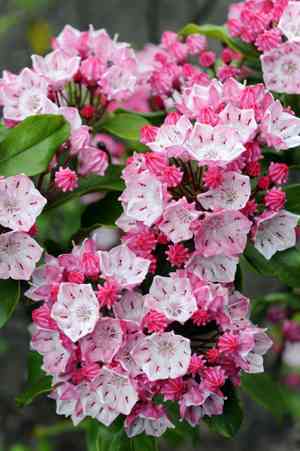
Kalmia latifolia is an evergreen woody plant that flourishes in soils with good drainage.
2
Its attractive flowers draw in beneficial insects such as bees and butterflies.
3
Kalmia latifolia can function as an excellent natural barrier or visual screen.
Why Mountain Laurel is an Excellent Addition to Your Garden
Hardy and Adaptable
Mountain laurel thrives across various soil types, making it a superb option for diverse garden environments. Whether your soil is sandy, clay-rich, or loamy, this plant adjusts well, minimizing the effort needed for ground preparation. Moreover, it exhibits strong resistance to pests and diseases, ensuring your garden stays healthy and vibrant year-round.
Year-Round Visual Appeal
A key attractive quality of Mountain laurel is its persistent foliage. Even during colder months, when many plants shed their leaves, this one retains its greenness, offering visual interest and texture to your garden. Its blooms add another layer of beauty, typically appearing in late spring or early summer with colors ranging from pink to white.
How Mountain Laurel Boosts Garden Biodiversity
Attracts Pollinators
Mountain laurel acts as a magnet for pollinators like bees and butterflies. Its flowers provide abundant nectar and pollen, supporting these vital insects and helping maintain your garden ecosystem's overall health. Attracting pollinators not only aids the plant itself but also benefits all flowering plants in your garden through improved pollination.
Supports Wildlife
Beyond pollinators, Mountain laurel offers a habitat for various small animals and birds. Its dense leaves provide shelter and nesting spots, enhancing your garden's biodiversity. Including this plant can create a miniature ecosystem, fostering a balanced environment where plants and animals coexist.
What Practical Roles Does Mountain Laurel Fulfill?
Natural Hedges and Privacy Screens
Mountain laurel's thick, bushy growth makes it perfect for forming natural hedges or privacy screens. This can be especially useful in urban areas where privacy is often valued. The plant grows quickly and reaches a good height, effectively shielding your space from curious eyes while adding aesthetic value.
Erosion Control
Planting Mountain laurel on slopes can significantly help with erosion control. The plant's root system stabilizes the soil, reducing runoff and preserving your landscape's integrity. This makes it an excellent choice for gardens and natural areas prone to erosion, such as hillsides and riverbanks.
Best Practices for Cultivating Mountain Laurel
Soil and Light Needs
Mountain laurel flourishes best in well-drained, acidic soils rich in organic matter. While it can tolerate partial shade, the plant performs optimally in full sunlight. Ensuring the soil is slightly moist but never waterlogged will help it thrive. Adding mulch around the base can also retain soil moisture and keep the root system healthy.
Trimming and Upkeep
Although Mountain laurel requires relatively little maintenance, occasional pruning helps preserve its shape and encourages robust growth. It's best to prune the plant right after it finishes blooming, removing any dead or diseased branches. Regularly check the plant for signs of pests or ailments, though such occurrences are generally rare.
Why Mountain Laurel is a Sustainable Landscaping Choice
Low Water Usage
Once established, Mountain laurel has minimal water requirements, making it an eco-friendly option for water-conserving landscapes. This drought tolerance is particularly advantageous in regions prone to water shortages or in xeriscaping projects, reducing the overall environmental impact.
Native Plant Benefits
As a plant indigenous to specific regions, Mountain laurel needs fewer chemical interventions like fertilizers and pesticides, contributing to a healthier ecosystem. Native plants are generally better adapted to local conditions, making them hardier and more resilient to climatic stresses, thereby supporting sustainability in gardening practices.



