The Sheep laurel Plant Advantage: Maximizing Home and Office Appeal and Wellness
1
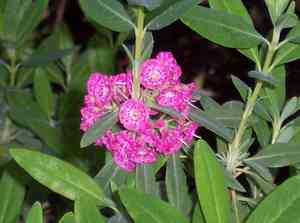
Sheep laurel flourishes in acidic ground and tough environments, making it a hardy garden plant.
2
Its vivid pink blossoms provide visual appeal, improving garden aesthetics.
3
Sheep laurel aids local ecosystems by offering shelter and sustenance to pollinators.
Benefits of Incorporating Sheep Laurel into Your Garden
Durability and Vigor
Sheep laurel is highly regarded for its capacity to flourish in acidic, nutrient-deficient soils, making it an ideal selection for locales where other flora struggles. This hardiness reduces concerns about soil amendments, allowing more time to appreciate your garden's inherent charm. It endures frost, drought, and other severe weather, ensuring your garden stays vibrant across seasons.
Visual Allure
A primary reason gardeners select Sheep laurel is its striking visual appeal. The plant produces clusters of vivid pink blossoms during its flowering period, offering a stark contrast against garden greenery. Furthermore, its evergreen leaves provide year-round visual interest, making it an excellent option for enhancing landscape aesthetics.
Ecological Contributions of Sheep Laurel
Pollinator Support
Sheep laurel plays a crucial role in sustaining local ecosystems by drawing in and nourishing pollinators like bees and butterflies. During its bloom cycle, the abundant flowers supply nectar and pollen, vital resources for these beneficial insects. By planting Sheep laurel, you contribute to the preservation of pollinator populations, essential for maintaining biodiversity.
Habitat Provision
Sheep laurel also aids in creating habitats for various wildlife. Its dense foliage offers refuge and nesting spots for small birds and other creatures, adding a dynamic layer of life to your garden. This habitat-supporting characteristic is especially valuable in residential zones where natural habitats might be scarce.
Cultivating Sheep Laurel
Soil and Planting Requirements
Sheep laurel prefers acidic soil with a pH between 4.5 and 5.5. It's best situated in a spot receiving partial to full sun, though it can tolerate some shade. When planting, ensure good drainage to prevent root rot, a common issue in poorly drained soils. Consistent watering is vital during establishment, but once rooted, it handles dry conditions well.
Trimming and Upkeep
Regular trimming helps maintain Sheep laurel's form and vitality. Remove dead or diseased branches promptly and perform light pruning after flowering to encourage new growth and a denser appearance. Applying mulch around the plant's base can help retain soil moisture and provide nutrients as it breaks down.
Applications for Sheep Laurel
Landscape and Ornamental Uses
Sheep laurel can be a versatile addition to various landscaping designs. Its vibrant blooms and dense foliage make it perfect for creating garden focal points or highlighting landscape features. It can also be used in foundation plantings, mixed borders, or as part of a naturalized planting scheme. Given its adaptability to different soil conditions, it's a dependable choice for areas where other plants might struggle.
Naturalizing Areas
Due to its low-maintenance nature, Sheep laurel is ideal for naturalizing areas, such as fields or woodland edges. This ensures that even less-frequented parts of your landscape remain vibrant and ecologically beneficial. Its resilience in harsh conditions means that once established, it can thrive without much intervention, making it an excellent choice for sustainable gardening practices.



