The Malabar nut Plant Advantage: Maximizing Home and Office Appeal and Wellness
1
Malabar nut, a natural antioxidant source, aids in fighting oxidative stress.
2
Historically, Malabar nut has been employed in diverse cultures to support respiratory well-being.
3
Possesses anti-inflammatory qualities, contributing to general health benefits.
What is Malabar nut and Why is it Special?
A Historical Perspective
Malabar nut has been utilized for centuries in traditional healing practices such as Ayurveda and Traditional Chinese Medicine. Its extensive history of use confirms its effectiveness and dependability as a plant offering diverse health advantages.
Distinctive Features
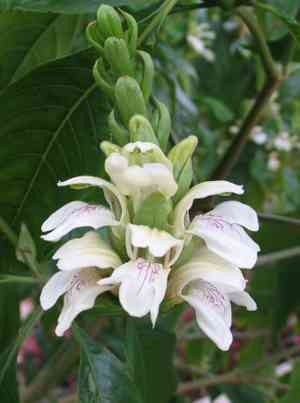
Malabar nut is recognized by its vibrant green foliage and distinctive white blossoms. The plant flourishes in tropical and subtropical environments and is frequently found in areas with rich, fertile ground. Its leaves and roots are primarily employed for various health purposes.
Health Benefits of Malabar nut
Rich in Antioxidants
Malabar nut is abundant in antioxidants, which are vital for neutralizing harmful free radicals within the body. These antioxidants can help lower the risk of certain chronic illnesses by preventing oxidative stress.
Supports Respiratory Health
Malabar nut has long been valued for its positive effects on the respiratory system. It is often used to facilitate easier breathing and enhance lung function, making it an invaluable resource for those seeking to naturally support their respiratory well-being.
How to Incorporate Malabar nut into Your Daily Routine
Simple Recipes Featuring Malabar nut
One straightforward method to enjoy the advantages of Malabar nut is by preparing a tea from its leaves. Boil a few leaves in water, strain, and consume it warm. This tea can be a comforting drink to begin or conclude your day.
Topical Applications
Another way to gain the benefits of Malabar nut is through external applications. Create a soothing balm by grinding Malabar nut's leaves into a paste and applying it to the skin. This is particularly useful for its anti-inflammatory qualities.
Cultivating Malabar nut at Home
Ideal Growing Conditions
Malabar nut thrives best in well-drained soil and a warm climate. It requires minimal upkeep, making it an excellent addition to your home garden. Ensure the plant receives ample sunlight and water it consistently.
Harvesting Tips
Gather Malabar nut leaves when they are mature for optimal potency. It's advisable to air-dry the leaves before storing them in airtight containers to preserve their beneficial properties.
Potential Side Effects
Mild Reactions
While Malabar nut is generally safe for most individuals, some might experience minor reactions like digestive discomfort. It's always wise to begin with small quantities to assess your body's response.
Consultation
For any plant-based regimen, it is recommended to consult with a healthcare professional, especially for individuals with existing medical conditions or those who are pregnant.



