The Wall iris Plant Advantage: Maximizing Home and Office Appeal and Wellness
1
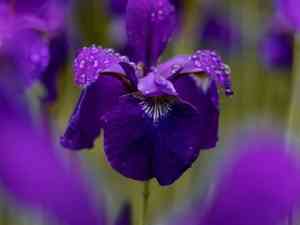
Wall iris is recognized for its beautiful, decorative blooms that can enhance any outdoor space.
2
This plant flourishes in diverse soil types, simplifying its cultivation and upkeep.
3
Wall iris serves as an effective ground cover and for preventing soil erosion because of its vigorous development.
Why Select Wall Iris for Your Garden?
Distinctive Visual Charm
A prominent characteristic of Wall iris is its striking look. Renowned for its vivid and intricate blossoms, Wall iris introduces a burst of color and sophistication to any garden environment. The blooms typically appear in shades of purple, blue, and white, forming a visually stunning contrast against the plant's rich green leaves. Whether utilized as a focal point or to complement other flora, Wall iris can elevate your garden's overall aesthetic.
Minimal Upkeep Requirements
Gardeners frequently value Wall iris for its undemanding care needs. This plant is highly adaptable and can flourish in a broad spectrum of soil types, from sandy to clayey and everything in between. Furthermore, Wall iris exhibits resistance to numerous common pests and diseases, lessening the necessity for frequent treatments and interventions. Its robust nature makes it an excellent choice for both novice and seasoned gardeners seeking a beautiful yet simple-to-manage plant.
Practical Applications of Wall Iris
Erosion Prevention
Beyond its decorative value, Wall iris is also highly effective in practical landscaping. One of its most notable uses is in controlling erosion. The plant's strong and extensive root system helps stabilize soil, preventing erosion on inclines and embankments. By planting Wall iris in areas susceptible to erosion, you can safeguard your landscape from degradation and preserve your garden's integrity.
Ground Cover Solution
Another functional use for Wall iris is as a ground cover. Its dense growth habit allows it to spread and blanket large areas, providing an appealing green carpet that suppresses weed growth. This not only enhances your garden's visual appeal but also reduces the time and effort required for weed management. Planting Wall iris in barren or underutilized spots can transform them into lush, green spaces with minimal effort.
Cultivating and Caring for Wall Iris
Ideal Growing Conditions
To ensure the healthy development of Wall iris, it's crucial to provide the correct growing environment. This plant thrives in full sun to partial shade, making it suitable for various garden settings. While Wall iris adapts to different soil types, it prefers well-drained soil with moderate moisture levels. Consistent watering during dry spells will help maintain its vigor and encourage vibrant blooms.
Seasonal Maintenance Advice
Although Wall iris demands minimal care, a few seasonal maintenance practices can boost its growth and flowering. In early spring, you can apply a balanced fertilizer to support new growth. Additionally, removing spent flowers and dead foliage helps maintain the plant's appearance and prevents disease. Pruning the plant after it flowers can encourage a more compact and neat growth habit.
Common Landscaping Concepts for Wall Iris
Crafting Striking Borders
Wall iris is ideal for creating attractive borders in your garden. Its tall, upright stems and colorful blooms can define garden edges and pathways, adding structure and visual interest. Plant Wall iris along walkways or around patios to establish a charming and inviting ambiance.
Combining with Other Flora
For a dynamic and visually appealing landscape, consider pairing Wall iris with other plants. Its striking flowers complement perennials like daylilies, peonies, and hostas. Mixing Wall iris with plants of varying heights and colors creates depth and contrast, making your garden more attractive and engaging. Whether used in mixed borders or standalone displays, Wall iris can enhance your outdoor space's beauty when thoughtfully integrated into your garden design.
Methods for Propagating Wall Iris
Division Technique
Propagating Wall iris is a straightforward process, with division being the most common method. To propagate by division, excavate an established plant in early spring or fall. Gently separate the rhizomes into smaller sections, ensuring each section possesses healthy roots and shoots. Replant the divisions at their original growing depth, and water thoroughly to aid their establishment.
Seed Propagation Method
While division is the preferred technique for propagating Wall iris, growing from seeds is also feasible. Collect seeds from mature plants in late summer. Sow the seeds in a well-drained seed mix and keep the soil consistently moist. Germination can be slow, so patience is essential. Once seedlings are large enough to handle, they can be transplanted into the garden in a sunny or partially shaded location.



