The Blue iris Plant Advantage: Maximizing Home and Office Appeal and Wellness
1
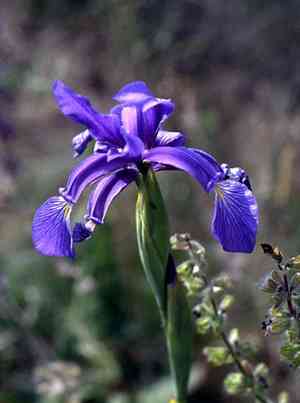
The blue iris is recognized for its vibrant blue blossoms.
2
It flourishes in damp ground, making it an ideal selection for aquatic gardens.
3
Blue irises are capable of drawing in helpful insects such as bees and butterflies.
What Are the Main Advantages of Cultivating Blue Iris?
Visual Allure
A primary advantage of Blue iris is its stunning aesthetic appeal. The plant showcases vivid blue blossoms that offer a striking addition to any garden. Their distinct form and bright hues can act as focal points in your landscape design, crafting an engaging garden area. Furthermore, Blue iris flowers from late spring to early summer, providing continuous beauty throughout the growing period.
Attracting Beneficial Insects
Another significant benefit of planting Blue iris is its capacity to draw in helpful insects, such as bees and butterflies. These insects are crucial for pollinating other plants in your garden, ensuring the vitality and productivity of your garden's ecosystem. By offering a nectar source, Blue iris supports local ecology and boosts biodiversity.
Minimal Upkeep Needs
The Blue iris plant requires relatively little maintenance, making it an ideal choice for both experienced gardeners and novices. It thrives in well-drained, moist soil, and once established, demands minimal care. This resilience to varying weather conditions and its ability to flourish with little intervention makes Blue iris an excellent option for those seeking to add beauty to their gardens without constant effort.
How Can Blue Iris Improve Your Garden's Ecosystem?
Enhancing Soil Quality
Blue iris contributes to soil health by fostering beneficial microbial activity. Its root system aids in soil aeration, which helps other plants access vital nutrients and water. Additionally, organic matter from fallen leaves and decaying parts of Blue iris enriches the soil, improving its fertility and structure over time.
Supporting Local Wildlife
Indigenous to various regions, Blue iris provides habitat and food resources for local wildlife. Birds, small mammals, and numerous insects depend on the Blue iris plant for sustenance and shelter. By incorporating Blue iris into your garden, you create a miniature ecosystem that supports biodiversity and promotes a balanced environment.
Water Purification
Blue iris flourishes in damp environments, such as pond edges and marshlands. This makes it an excellent natural filter for water bodies, helping to purify water by absorbing excess nutrients and pollutants. Integrating Blue iris into your water garden can lead to cleaner, healthier water features, benefiting aquatic life and overall garden health.
Why Is Blue Iris Perfect for Sustainable Gardening?
Drought Resistance
Despite its preference for moist soil, Blue iris displays notable tolerance to drought conditions once established. This adaptability makes it a valuable addition for sustainable gardening practices, as it reduces the need for frequent watering and conserves water resources. Its deep root system also helps in accessing water from deeper soil layers during dry periods.
Low Chemical Requirements
The resilience of Blue iris extends to its minimal susceptibility to pests and diseases, lessening the need for chemical interventions. This not only makes your gardening practices more environmentally friendly but also ensures a safer environment for beneficial insects and other wildlife. Using fewer chemicals supports a more natural garden ecosystem and aligns with sustainable gardening principles.
Can Blue Iris Be Utilized in Landscaping and Design?
Flexible Planting Choices
Blue iris is incredibly versatile in terms of planting options. It can be used in various garden settings, including perennial borders, water gardens, and as standalone focal points in mixed planting schemes. Its adaptability to different environments allows gardeners to experiment with creative design solutions, enhancing the visual interest of garden landscapes.
Year-Round Appeal
Blue iris offers seasonal interest that transforms garden spaces throughout the year. In addition to its vibrant spring and summer blooms, its foliage provides texture and color in the off-bloom months. This ensures that Blue iris remains a valuable component of your gardenâs visual appeal well beyond the flowering season.



