The Central coast iris Plant Advantage: Maximizing Home and Office Appeal and Wellness
1
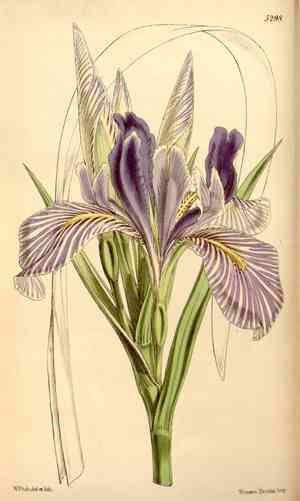
The central coast iris thrives in coastal environments, making it a robust and eco-friendly garden option.
2
Beyond its beauty, this plant benefits local wildlife by drawing in pollinators.
3
Its minimal care requirements position the central coast iris as an ideal selection for gardeners of all skill levels.
What Makes Central coast iris Unique?
Adaptability to Coastal Climates
Central coast iris flourishes in seaside environments where other flora might struggle. Its capacity to adapt to sandy substrates, saline air, and varying moisture levels makes it a robust addition to coastal gardens. Gardeners in littoral zones can depend on Central coast iris to provide vivid color and lush foliage without the extensive upkeep often needed by less resilient species.
Low Maintenance and High Reward
A key characteristic of Central coast iris is its minimal care demands. This plant is well-suited for gardeners who prefer easy-care options without sacrificing beauty. With proper initial placement and occasional irrigation, Central coast iris can thrive with little intervention. Its hardy nature reduces the need for frequent fertilization or pest management, making it an eco-friendly and economical choice.
Ecological Benefits of Central coast iris
Attracting Pollinators
Central coast iris plays a vital role in supporting local ecosystems by drawing in crucial pollinators such as bees, butterflies, and hummingbirds. The plant's vibrant blooms offer a rich source of nectar, aiding in the survival and proliferation of these essential species. By cultivating Central coast iris in your garden, you contribute to preserving local biodiversity and fostering the health of your garden's ecosystem.
Erosion Control
Beyond its aesthetic and ecological functions, Central coast iris also contributes to the landscape's physical stability. Its extensive root system helps secure soil, making it an effective plant for preventing erosion. This is particularly advantageous in coastal areas where wind and water can remove topsoil. Planting Central coast iris can improve the integrity of garden beds and slopes, creating a more stable and sustainable environment.
Aesthetic and Design Advantages
Versatile Landscaping Options
Central coast iris's striking appearance adds a touch of elegance to any garden design. Its tall, slender stalks and vibrant flowers can serve as focal points in flower beds or as complements to other plants in mixed borders. The plant's versatility extends to various garden styles, from formal layouts to naturalistic settings, making it an adaptable choice for any landscape.
Seasonal Interest
One of the pleasures of incorporating Central coast iris into your garden is its capacity to provide seasonal appeal. Its blossoms appear in mid to late summer, offering a burst of color when many other plants have completed their flowering cycles. This extended period of visual interest enhances the garden's charm and ensures a dynamic and engaging space throughout the growing season.
How to Cultivate and Care for Central coast iris
Planting Requirements
To ensure the successful growth of Central coast iris, choose a planting location that receives full to partial sunlight. Well-draining soil is essential, as the plant thrives in conditions where water does not accumulate. When planting, space the plants adequately to allow for their mature spread, typically about 12 to 24 inches apart.
Ongoing Maintenance
Central coast iris requires minimal upkeep once established. Regular watering during the initial growing season is crucial to help the plant develop a strong root system. After this first period, natural rainfall often suffices. Mulching around the base can help retain moisture and suppress weeds. Removing spent flowers can encourage prolonged blooming and keep the plant looking neat.
Integrating Central coast iris into Sustainable Gardening Practices
Companion Planting
Consider integrating Central coast iris with other native or adaptive plants to create a diverse garden ecosystem. Companion planting can enhance the overall health of your garden by promoting beneficial interactions between plants. For example, pairing Central coast iris with drought-tolerant perennials or ornamental grasses can create a visually appealing and environmentally harmonious landscape.
Water Conservation
Thanks to its low water requirements once established, Central coast iris is an ideal choice for water-wise gardening. By incorporating this plant into your landscape, you can reduce the need for supplemental watering, contributing to more sustainable water use. This practice is especially important in regions prone to drought or with water restrictions, making Central coast iris a smart and responsible choice for conscientious gardeners.



