The Rabbitear iris Plant Advantage: Maximizing Home and Office Appeal and Wellness
1
Perfect for gardens requiring minimal upkeep because of its robust characteristics.
2
Demonstrated to improve aquatic gardens with its lively and prominent look.
3
Provides soil erosion prevention due to its widespread root network.
Why Select Rabbitear Iris for Your Garden?
Aesthetic Appeal
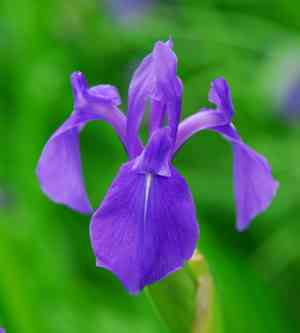
Rabbitear iris is renowned for its striking blossoms, which can introduce a burst of color to any garden. Its distinctive flower structure and vivid hues make it a prominent plant capable of transforming your outdoor area into a beautiful spectacle. Positioning them near ponds or water features can establish a captivating focal point.
Effortless Upkeep
A primary reason gardeners favor Rabbitear iris is its minimal maintenance needs. This resilient plant resists many common pests and diseases, making it an excellent option for those desiring beauty without the fuss. Furthermore, it thrives in diverse soil conditions, further enhancing its attractiveness.
Year-Round Visual Interest
Rabbitear iris doesn't only shine during its flowering period. Its lush, green foliage remains appealing throughout the growing season, providing continuous visual appeal. The plant's graceful leaves can complement other garden flora, ensuring your garden stays engaging even when not in bloom.
Practical Advantages of Cultivating Rabbitear Iris
Soil Stabilization
A practical benefit of Rabbitear iris is its capacity to control soil erosion. Its extensive root system aids in stabilizing the soil, making it a valuable addition to sloped areas or regions prone to runoff. This renders Rabbitear iris not only beautiful but also ecologically beneficial.
Support for Natural Habitats
Rabbitear iris can play a crucial role in establishing a natural habitat within your garden. It provides shelter and sustenance for various insects and birds, fostering biodiversity. Incorporating Rabbitear iris into the landscape can help create a flourishing ecosystem, attracting beneficial pollinators like bees and butterflies.
Water Purification
Another remarkable characteristic of Rabbitear iris is its capability to filter water. When planted around ponds or water features, it can assist in purifying the water by absorbing pollutants, creating a cleaner environment for aquatic life. This makes Rabbitear iris an eco-friendly choice for gardeners aiming to maintain pond health.
Optimizing Rabbitear Iris Growth
Optimal Growing Conditions
Rabbitear iris flourishes in well-drained soil but also tolerates moist conditions, making it suitable for planting near water features or in rain gardens. It prefers full sun to partial shade and should be placed in areas receiving ample light. Providing ideal conditions will ensure Rabbitear iris thrives and maintains its vibrant appearance.
Planting and Care Guidelines
To ensure successful growth of Rabbitear iris, position the rhizomes just beneath the soil surface and water thoroughly. Consistent watering during dry spells will keep the plant healthy, though it is relatively drought-tolerant once established. Fertilizing with a balanced, slow-release fertilizer in early spring can enhance growth and bloom quality.
Propagation Techniques
Rabbitear iris can be propagated by division in late summer or early autumn. Gently lift the plant and separate the rhizomes, ensuring each division possesses a healthy root and a few shoots. Replant immediately and water well, allowing them to establish before winter.
Common Issues and Solutions for Rabbitear Iris
Pest Management
While generally pest-resistant, Rabbitear iris may occasionally be affected by aphids or iris borers. Regular inspection and appropriate treatment with insecticidal soap or neem oil can prevent infestations. Maintaining good air circulation around the plants can also help deter pests.
Disease Prevention
Rabbitear iris is susceptible to fungal diseases like leaf spot and root rot, especially in poorly drained soils. To prevent these issues, ensure proper planting conditions and avoid overhead watering. Promptly remove and dispose of any infected leaves to prevent disease spread.
Environmental Stressors
Environmental stress, such as extreme temperatures or prolonged drought, can impact Rabbitear iris's health. Mulching around the base can help retain soil moisture and moderate temperature fluctuations. Regular watering during hot periods and adequate winter protection will ensure the plant remains healthy.



