The Japanese Iris Plant Advantage: Maximizing Home and Office Appeal and Wellness
1
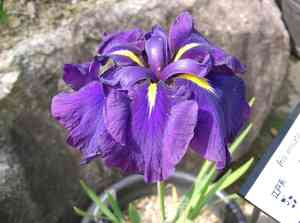
The Japanese Iris is a visually striking plant recognized for its vivid, sizable flowers.
2
This species flourishes in damp, boggy environments, offering flexibility in garden planning.
3
Japanese Iris draws in helpful insects, positively impacting your garden's ecological balance.
What Makes Japanese Iris Special?
Captivating Visual Charm
Japanese Iris is celebrated for its otherworldly beauty. This plant produces large, exquisite blossoms that vary in hue from deep purples to pure whites. These blooms not only act as focal points in any garden but also introduce a touch of grace and refinement. Their striking appearance can complement diverse landscape designs, making them a versatile addition to any garden.
Tolerance for Moist Environments
A distinctive characteristic of Japanese Iris is its capacity to flourish in damp, boggy soils. This adaptability makes it an excellent option for gardens featuring water elements or areas with poor drainage. By cultivating Japanese Iris in these spots, you can transform challenging spaces into lush, vibrant zones that positively contribute to the overall garden aesthetic.
How Does Japanese Iris Benefit Your Garden Ecosystem?
Attracting Beneficial Insects
Integrating Japanese Iris into your garden not only boosts its visual appeal but also draws in helpful insects such as bees and butterflies. These pollinators play a vital role in sustaining your garden's health by facilitating the pollination of various plant species. This ecological equilibrium not only supports other plants but also fosters a flourishing, dynamic garden ecosystem.
Enhancing Soil Quality
Japanese Iris can also contribute to improving soil quality. When planted in suitable conditions, its root systems help stabilize the soil and prevent erosion. Over time, the plant's natural processes can enrich the soil's nutrient content, creating a more fertile growing environment for other plants.
Practical Tips for Growing Japanese Iris
Selecting the Ideal Spot
For Japanese Iris to thrive, it's crucial to select the correct planting location. This plant prefers full sun to partial shade and performs best in consistently moist soil. Consider planting it near water features or in low-lying garden areas where water tends to collect.
Correct Planting Method
When planting Japanese Iris, ensure that the rhizomes are positioned just beneath the soil surface, with the roots spread out below. Water the plant thoroughly after planting and maintain moist soil conditions during the growing season to support healthy growth.
How Can You Incorporate Japanese Iris into Your Garden Design?
Designing Water Gardens
Japanese Iris is an excellent choice for water gardens due to its preference for wet conditions. You can plant it along the edges of ponds or streams, where its vibrant flowers can reflect off the water's surface, creating a mesmerizing effect. This not only enhances the visual appeal but also supports a diverse aquatic ecosystem.
Compatible Plant Pairings
Pairing Japanese Iris with other moisture-loving plants can create a harmonious garden design. Consider combining it with plants like hostas, ferns, or other iris species that share similar environmental preferences. This can create a cohesive and visually appealing garden space that thrives in wet conditions.
How to Care for Japanese Iris Throughout the Year?
Seasonal Upkeep
Caring for Japanese Iris involves some seasonal maintenance to ensure its healthy growth. In the spring, remove any dead foliage to make way for new growth. During the growing season, ensure that the plant remains in moist conditions. In the fall, you may cut back the foliage to tidy up the garden and prepare the plant for the winter months.
Managing Pests and Diseases
While Japanese Iris is relatively resistant to pests and diseases, it's still essential to monitor the plant regularly for any signs of trouble. Keep an eye out for aphids or leaf spot, and treat these issues promptly with appropriate organic or chemical solutions. Regularly inspecting the plant will help maintain its health and prevent any potential problems from becoming severe.



