The Cypress vine Plant Advantage: Maximizing Home and Office Appeal and Wellness
1
Cypress vine is an attractive climbing plant that enhances the beauty of any garden.
2
Its blossoms draw in beneficial insects such as butterflies and hummingbirds.
3
This plant additionally offers ground coverage, helping to prevent soil degradation.
Why Plant Cypress Vine in Your Garden?
Visual Appeal
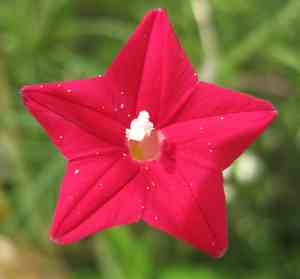
Cypress vine is known for its striking red, trumpet-shaped blossoms that create a vibrant display in any environment. Its foliage is equally appealing, with delicate, fern-like leaves offering a soft, airy backdrop to its vivid flowers. The visual interest and texture Cypress vine provides can transform even a simple garden into a lively sanctuary.
Attracts Pollinators
A key advantage of cultivating Cypress vine is its capacity to draw beneficial pollinators, such as butterflies and hummingbirds. These creatures are not only pleasant to observe but also vital for the pollination process, assisting in the reproductive cycles of numerous plants. By inviting these pollinators, Cypress vine helps foster a flourishing and balanced ecosystem.
Ground Cover and Soil Health
Cypress vine serves as an excellent ground cover due to its rapid growth and dense foliage. This ground coverage is not merely aesthetically pleasing but also practical for soil conservation. The plant aids in reducing soil erosion by protecting the ground from harsh weather and retaining moisture. Its roots enhance soil structure, making it more robust and less susceptible to erosion.
How to Successfully Cultivate Cypress Vine?
Optimal Growing Conditions
To ensure Cypress vine thrives in your garden, providing ideal growing conditions is crucial. This plant prefers full sun to partial shade and well-drained soil. It is adaptable to various soil types, but slightly acidic to neutral pH levels can encourage better growth. Consistent watering will maintain plant health, but avoid overwatering, as it can lead to root rot.
Planting and Upkeep
Planting Cypress vine is straightforward. Sow seeds directly into the soil after the last frost, or start them indoors a few weeks before the frost-free date for an earlier bloom. Space seeds 10-12 inches apart to allow ample growth. This plant requires minimal care once established; just provide occasional watering during dry spells and light pruning to manage its growth and prevent it from overwhelming other plants.
Environmental Benefits of Cypress Vine
Biodiversity Enhancement
Cultivating Cypress vine contributes to increased biodiversity in your garden. Its flowers and foliage create habitats for various insects and small animals, promoting a more diverse and resilient ecological community. Greater biodiversity leads to healthier ecosystems that can better withstand environmental pressures.
Air Quality Improvement
Like many plants, Cypress vine plays a role in improving air quality by absorbing carbon dioxide and releasing oxygen through photosynthesis. This process helps purify the air, making your garden a fresher and healthier place to spend time. Additionally, the plant can filter out some pollutants, contributing to a cleaner environment.
FAQs About Cypress Vine
Can Cypress Vine Be Grown in Containers?
Yes, Cypress vine can be successfully cultivated in containers, making it ideal for small gardens or balconies. Just ensure the container has good drainage and provide a support structure like a trellis to accommodate the plant's climbing habit.
Is Cypress Vine Resistant to Pests and Diseases?
Cypress vine is relatively resistant to common pests and diseases, making it a low-maintenance choice for gardeners. However, occasional issues like aphids or spider mites may occur. Regular inspection and natural pest control methods, such as introducing beneficial insects, can keep these problems in check.



