The Spanish flag Plant Advantage: Maximizing Home and Office Appeal and Wellness
1
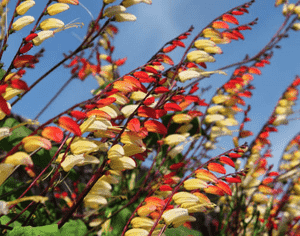
The Spanish flag plant is recognized for its vivid, striking blossoms.
2
It adapts well to diverse soil conditions, offering flexibility for cultivators.
3
This flora draws in helpful pollinators such as bees and butterflies.
What is Ipomoea lobata?
Appearance and Characteristics
Ipomoea lobata is a climbing vine recognized for its vibrant, tubular blossoms that shift from crimson to yellow as they mature, mirroring the hues of the Spanish flag. This plant features heart-shaped foliage and can reach heights of 10-15 feet, making it ideal for trellises, fences, or pergolas.
Growth Conditions
Ipomoea lobata flourishes in well-drained soil and prefers full sun to partial shade. It adapts to various soil types but favors slightly acidic to neutral soil. Consistent watering is crucial, especially in arid conditions, to maintain the plant's health and vibrancy.
Why Cultivate Ipomoea lobata?
Aesthetic Appeal
Ipomoea lobata is renowned for its striking visual charm. Its distinctive, multi-colored flowers create a lively display in any garden setting. This plant can serve as a focal point in garden design, adding vertical interest and a burst of color that captures attention.
Wildlife Attraction
Ipomoea lobata draws a variety of pollinators, including bees, butterflies, and hummingbirds. These beneficial insects and birds play a vital role in the pollination of other plants, helping to sustain a healthy and diverse garden ecosystem.
How to Successfully Grow Ipomoea lobata?
Planting Tips
Begin by selecting a site that offers ample sunlight and possesses well-draining soil. Dig a hole twice as wide and as deep as the plant's root ball. Position the plant in the hole and backfill with soil, ensuring the roots are fully covered. Water the plant thoroughly after planting.
Maintenance and Care
Regular watering is essential, particularly during dry periods. Applying mulch around the plant's base can help retain soil moisture and suppress weed growth. Pruning is also necessary to manage the plant's size and encourage abundant blooms. Fertilize with a balanced, slow-release fertilizer during the growing season to support vigorous growth.
Common Issues and Their Solutions
Pests and Diseases
Ipomoea lobata is generally resistant to many common pests and diseases. However, aphids and spider mites can occasionally pose a problem. Use insecticidal soap or neem oil to address infestations. Ensure adequate spacing and air circulation around the plants to minimize the risk of fungal diseases.
Environmental Challenges
Ipomoea lobata can be sensitive to extreme temperatures and poor soil conditions. In hot climates, provide some afternoon shade to shield the plant from scorching. Improve poor soil by incorporating organic matter, such as compost, to enhance its nutrient content and drainage capabilities.



