The Moonflower Plant Advantage: Maximizing Home and Office Appeal and Wellness
1
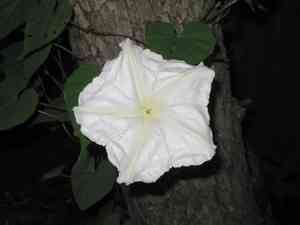
Moonflower is recognized for its lovely, nocturnal blossoms that draw in pollinators.
2
It serves as an organic decorative plant to improve garden beauty.
3
Moonflower flourishes in warm environments and needs little upkeep.
Why Select Moonflower for Your Garden?
Nocturnal Floral Allure
A key characteristic of Moonflower is its evening blooming habit. Its large, fragrant blossoms unfurl as dusk settles, creating an enchanting atmosphere in the garden. This trait not only offers visual charm but also draws in nighttime pollinators, such as moths and bats, which are vital to the ecosystem.
Minimal Upkeep Needs
Moonflower is a resilient plant that flourishes in warm climates with little attention. It grows quickly and can readily cover trellises, fences, and arbors, making it an excellent option for gardeners seeking a low-maintenance, yet striking, addition to their landscape. Its drought tolerance further enhances its appeal, as it needs infrequent watering once established.
How Can Moonflower Enhance Your Outdoor Area?
Inherent Decorative Value
Moonflower's lush, heart-shaped foliage and large, trumpet-shaped white blooms lend an air of sophistication to any garden. Its climbing nature allows it to form impressive vertical displays, perfect for adding height and visual interest to your outdoor space. Planted along pergolas or trellises, Moonflower can transform an ordinary garden into a picturesque sanctuary.
Attracting Local Fauna
Beyond its aesthetic appeal, Moonflower plays a significant role in supporting local wildlife. The plant's night-blooming flowers serve as an excellent food source for nocturnal pollinators. By drawing in these creatures, Moonflower helps maintain the balance of the local ecosystem and promotes biodiversity in your garden.
What Are the Cultivation Requirements for Moonflower?
Ideal Soil and Sunlight
Moonflower prefers well-drained, fertile soil and thrives in full sun to partial shade. While it can endure less-than-ideal soil conditions, providing rich, organic soil will ensure robust growth and abundant flowering. It's crucial to choose a planting site that receives at least six hours of sunlight daily to maximize its blooming potential.
Temperature and Hydration Needs
This plant is best suited for warmer climates, though it can be cultivated as an annual in cooler regions. It flourishes in temperatures ranging from 60°F to 85°F (15°C to 29°C). Watering should be consistent during the initial growth phase, decreasing as the plant matures. Overwatering should be avoided to prevent root rot, making well-draining soil essential.
How to Propagate Moonflower?
Seed Propagation
Moonflower can be easily propagated from seeds. To enhance germination rates, soak the seeds in warm water for 24 hours before planting. Sow the seeds directly in the garden after the last frost or start them indoors 4-6 weeks before the anticipated frost date. Ensure the seeds are planted 0.5 inches deep in well-moistened soil, and keep them in a warm, bright location until germination, which typically occurs within 1-2 weeks.
Transplanting Young Plants
Once the seedlings have developed a few sets of true leaves, they can be moved to their permanent spot in the garden. Select a location with ample sunlight and well-draining soil, and space the plants about 12 inches apart to allow for proper air circulation and growth. Water thoroughly after transplanting to help the young plants establish their root systems.
What Common Issues Affect Moonflower and How to Manage Them?
Pests and Diseases
Moonflower is generally resistant to many pests and diseases. However, it can occasionally be affected by aphids, spider mites, and whiteflies. These pests can be managed through natural predators like ladybugs or by using insecticidal soap. Fungal diseases like powdery mildew can occur in humid conditions but can be controlled by ensuring good air circulation and avoiding overhead watering.
Overcoming Growth Obstacles
Moonflower may sometimes face challenges like yellowing leaves or stunted growth. These issues are often related to soil quality or watering practices. Ensuring that the plant has well-drained soil, adequate sunlight, and balanced fertilization can help mitigate these problems. Regularly inspecting the plant for signs of stress and addressing them promptly will ensure healthy, vigorous growth.



