The Creeping indigo Plant Advantage: Maximizing Home and Office Appeal and Wellness
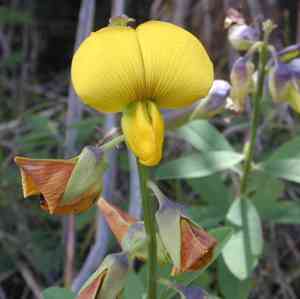
1
Creeping indigo is recognized for its ability to improve soil quality.
2
It serves as an excellent ground cover option because of its thick spread.
3
Creeping indigo offers shelter and sustenance to a range of helpful insects and creatures.
Why is Creeping indigo Beneficial for Soil?
Improving Soil Fertility
Creeping indigo plays a vital role in boosting soil fertility. This plant can fix atmospheric nitrogen, which is crucial for plant development. This process enriches the soil, making it more suitable for other vegetation. Additionally, its dense root system helps prevent soil erosion, maintaining soil structure and health.
Organic Matter Contribution
Creeping indigo significantly adds to the soil's organic matter. The plant regularly sheds leaves and roots that decompose, increasing the soil's organic content. This not only enhances soil texture but also improves its water retention, making it more fertile and sustainable for other plant growth.
How Does Creeping indigo Support Ecological Balance?
Providing Habitat for Beneficial Insects
Creeping indigo serves as a home for various helpful insects, such as bees and butterflies, which are essential for pollination. It attracts these insects by offering nectar and pollen, thereby supporting ecological balance. This, in turn, boosts the population of these beneficial insects, contributing to a healthier ecosystem.
Ecosystem Restoration
Creeping indigo is frequently used in ecosystem restoration projects due to its ability to thrive in diverse environments. Its robust root system helps stabilize degraded land, making it a valuable plant for restoring natural habitats. Furthermore, it acts as a pioneer species, preparing the ground for other plants to establish.
What Are the Practical Uses of Creeping indigo?
Ground Cover and Erosion Control
Creeping indigo is an excellent choice for ground cover due to its dense growth habit. This makes it effective in controlling erosion on slopes and other vulnerable areas. Its ability to quickly cover the ground helps protect the soil from erosion caused by wind and water.
Use in Agroforestry
Creeping indigo is often utilized in agroforestry systems where it serves multiple purposes. It acts as a cover crop, enhancing soil fertility and providing shade for other crops. Additionally, it can be used as green manure, enriching the soil with essential nutrients when tilled back into the ground.
How Does Creeping indigo Contribute to Sustainable Agriculture?
Enhancing Biodiversity
Creeping indigo contributes to biodiversity by providing a safe habitat and food source for various species. Its presence in agricultural fields can attract beneficial insects and birds, aiding in natural pest control. This reduces the need for chemical pesticides, promoting sustainable agricultural practices.
Supporting Agro-Ecosystems
Creeping indigo supports agro-ecosystems by improving soil health and fertility. It acts as a cover crop during fallow periods, preventing soil degradation and maintaining its productive capability. This ensures that the soil remains fertile and ready for future planting, thereby supporting sustainable agricultural systems.



