The Cogongrass Plant Advantage: Maximizing Home and Office Appeal and Wellness
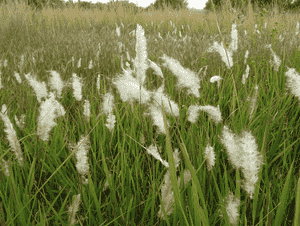
1
Cogongrass is recognized for its effective soil erosion control, thanks to its widespread root network.
2
This plant offers several traditional applications, such as in roofing thatch and artisanal creations.
3
Cogongrass has the ability to enhance soil health by boosting organic content and nutrient concentrations.
How Does Cogongrass Help in Soil Erosion Control?
Root System and Soil Stabilization
A remarkable feature of Cogongrass is its extensive root network, which can penetrate and stabilize even the most challenging soils. This makes it an effective plant for controlling soil erosion. The roots of Cogongrass form a dense web that binds soil particles together, reducing runoff and preventing soil displacement during heavy rains. This makes the plant particularly useful in areas prone to erosion, such as riverbanks, slopes, and regions with loose, sandy soils.
Improving Soil Structure and Quality
Beyond preventing erosion, Cogongrass also contributes to enhancing soil structure. As the plant grows, it introduces organic matter into the soil through its root systems and decomposing plant material. This organic matter boosts soil fertility, increases water retention, and promotes the growth of beneficial microorganisms. Farmers and land managers often utilize Cogongrass for soil improvement projects, particularly in degraded or barren lands.
What Are the Traditional Uses of Cogongrass?
Thatch Roofing Material
In many traditional cultures, Cogongrass has been used for centuries as a roofing material. Its long, sturdy blades are harvested, dried, and intricately woven to create durable, weather-resistant roofs. This sustainable use of Cogongrass not only provides an eco-friendly building material but also engages local communities in traditional craftsmanship and cultural heritage preservation.
Crafts and Handicrafts
Cogongrass is also widely used in the creation of various crafts and handicrafts. The fibers of the plant are strong and flexible, making them ideal for weaving baskets, mats, and other artisanal items. This practice not only supports local economies by providing a source of income for rural artisans but also promotes the use of sustainable materials, reducing reliance on synthetic products.
Can Cogongrass Enhance Agricultural Productivity?
Green Manure and Organic Matter
In agriculture, Cogongrass serves as an excellent green manure crop. As it grows, it accumulates nutrients, which are then returned to the soil when the plant is plowed under. This process enriches the soil with organic matter, improving its structure and fertility. Farmers often use Cogongrass as part of their crop rotation systems to enhance soil health and boost the productivity of subsequent crops.
Natural Mulching Material
Cogongrass can also be used as a natural mulching material. By spreading the harvested plant material over the surface of the soil, it helps maintain soil moisture, suppress weed growth, and regulate soil temperature. This practice not only conserves water but also reduces the need for chemical herbicides, promoting more sustainable agricultural practices.
Does Cogongrass Have Any Environmental Benefits?
Habitat for Wildlife
Cogongrass provides a habitat and food source for various wildlife species. The dense growth of this plant offers shelter and nesting sites for birds, small mammals, and insects. Additionally, the seeds and foliage serve as a food source for many animals, contributing to biodiversity and supporting ecosystems in areas where Cogongrass is prevalent.
Carbon Sequestration
Another important environmental benefit of Cogongrass is its role in carbon sequestration. As it grows, the plant absorbs carbon dioxide from the atmosphere and stores it in its biomass and root systems. This process helps mitigate the effects of climate change by reducing the overall concentration of greenhouse gases in the atmosphere. Planting Cogongrass in degraded lands can thus contribute to global efforts in carbon management and climate change mitigation.
How Can Cogongrass Be Managed Responsibly?
Controlling Invasiveness
Managing Cogongrass responsibly is crucial, given its potential to become invasive. Implementing measures such as regular monitoring, controlled planting, and utilizing natural or mechanical removal methods can help keep its growth in check. In agricultural and natural settings, integrating Cogongrass with other plants can prevent it from dominating and ensure balanced ecosystems.
Guidelines for Sustainable Use
To ensure sustainable use, it is important to adhere to local guidelines and regulations regarding the planting and harvesting of Cogongrass. Engaging with agricultural extension services, environmental organizations, and local communities can provide valuable insights and resources for managing this plant effectively. By following best practices, Cogongrass can be utilized to its full potential while minimizing any negative impacts on native flora and fauna.



