The Common winterberry Plant Advantage: Maximizing Home and Office Appeal and Wellness
1
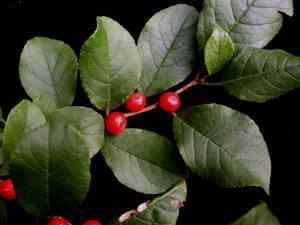
The common winterberry is recognized for its striking red fruits that remain throughout the cold season.
2
This shrub offers essential sustenance and shelter for native fauna.
3
It's an easy-to-care-for, resilient bush suitable for diverse environments.
Why Plant Common Winterberry in Your Garden?
Enhanced Visual Appeal
A primary reason gardeners favor Common Winterberry is its striking visual appeal. The plant features glossy green leaves during its active growth, which transition to a lovely yellow in autumn. The true highlight, however, is its bright red berries that persist on the shrub through winter, offering a burst of color against the stark winter backdrop. This visual interest not only beautifies your garden but also adds seasonal variation.
Support for Local Wildlife
Common Winterberry serves as a crucial food source and habitat for various bird species and small mammals. Its enduring berries provide vital nourishment during harsh winter months when other food is scarce. Furthermore, its dense foliage offers shelter and nesting sites, thereby boosting biodiversity in your garden.
Ecological Advantages of Common Winterberry
Erosion Control
Common Winterberry's extensive root system helps stabilize soil, making it an excellent choice for preventing erosion. Whether planted on slopes or along riverbanks, this plant assists in maintaining soil integrity and reducing erosion risk, thus preserving the landscape.
Pollinator Attraction
In spring, Common Winterberry produces small, subtle flowers that draw in various pollinators, including bees and butterflies. These pollinator-friendly blooms play a vital role in supporting local ecosystems by aiding cross-pollination and fostering plant diversity.
Optimal Growing Conditions for Common Winterberry
Soil and Light Preferences
Common Winterberry is highly adaptable, suitable for a range of soil conditions. However, it thrives best in well-drained, acidic soils. While it tolerates both full sun and partial shade, planting it in an area with ample sunlight will result in the most vibrant berry production.
Low Maintenance Requirements
One of the greatest benefits of Common Winterberry is its low-maintenance nature. Once established, it needs minimal care, making it an ideal choice for busy gardeners. Regular watering during initial growth and occasional pruning to maintain shape are generally sufficient to keep it healthy and flourishing.
Landscaping Concepts Featuring Common Winterberry
Hedge and Border Planting
Common Winterberry can be effectively used in hedge and border designs, providing both aesthetic and practical benefits. Its dense growth habit makes it an excellent natural barrier, while the seasonal berry display adds year-round interest.
Wildlife Gardens
For those aiming to create a wildlife-friendly garden, incorporating Common Winterberry is a fantastic option. Combine it with other native shrubs and plants to establish a vibrant, ecosystem-supporting habitat that attracts a variety of birds and pollinators.
Where to Acquire Common Winterberry for Your Garden?
Choosing a Reputable Nursery
When obtaining Common Winterberry, select reliable nurseries that offer healthy, disease-free specimens. Look for plants with vibrant foliage and a robust root system to ensure successful transplanting.
Online and Local Options
Many garden centers and online plant retailers provide Common Winterberry, offering convenience and variety. Review customer feedback and return policies when purchasing online to ensure a positive buying experience.



