The Inkberry Plant Advantage: Maximizing Home and Office Appeal and Wellness
1
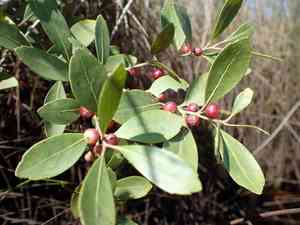
Inkberry is a robust evergreen bush capable of flourishing in diverse soil conditions.
2
Inkberry provides superb wildlife sanctuary, offering sustenance and refuge for avian species.
3
Inkberry requires minimal upkeep, rendering it perfect for eco-friendly garden designs.
What Makes Inkberry Unique?
Adaptability to Soil Types
Inkberry thrives in diverse soil conditions, including sandy, clay, and loamy. This flexibility makes it ideal for challenging areas where other plants might struggle. Its tolerance for both wet and dry soils further enhances its suitability for various climates.
Low Maintenance Requirements
A key benefit of Inkberry is its minimal upkeep. Once rooted, it needs little attention, perfect for gardeners preferring a hands-off approach. Occasional trimming helps maintain its form, but overall, Inkberry is a hardy plant that flourishes with minimal intervention.
Ecological Benefits of Inkberry
Wildlife Habitat
Inkberry provides excellent shelter for birds and beneficial insects. Its dense leaves offer cover and nesting spots for various bird species, while its berries are a crucial food source in colder months. Additionally, Inkberry attracts pollinators like bees and butterflies, playing a vital role in local ecosystems.
Erosion Control
Inkberry's root system effectively stabilizes soil, making it perfect for erosion prevention. Planting Inkberry on slopes or other vulnerable areas can significantly reduce soil loss and runoff, fostering a more stable and sustainable environment.
Aesthetic and Functional Landscape Use
Attractive Foliage and Berries
Inkberry boasts dark green, glossy leaves that stay vibrant year-round, adding continuous visual interest to your garden. The small, black berries appearing in autumn are not only decorative but also feed wildlife. These attributes make Inkberry a beautiful and practical addition to any landscape design.
Versatile Landscape Applications
Whether used as a hedge, foundation plant, or border, Inkberry offers great flexibility in garden design. Its dense growth habit makes it an excellent choice for privacy screens and windbreaks, while its adaptability to various pruning styles allows for creative landscaping solutions. Inkberry can be used in formal gardens, naturalistic plantings, or as part of a mixed shrub border.
Sustainability and Inkberry
Drought Tolerance
Given growing concerns about water conservation, Inkberry's drought tolerance is a significant advantage. Once established, it can endure dry spells, reducing the need for extra watering and supporting sustainable gardening practices.
Resilience to Pests and Diseases
Inkberry is remarkably resistant to many common pests and diseases, lessening the need for chemical treatments. This resilience not only simplifies maintenance but also promotes eco-friendly gardening by minimizing pesticide and fungicide use.
Integrating Inkberry into Your Garden
Companion Planting
Pairing Inkberry with other suitable plants can enhance your garden's overall appeal and function. Consider combining it with other native shrubs, perennials, and ornamental grasses to create a diverse and attractive landscape that supports local ecosystems.
Planting and Care Tips
When planting Inkberry, ensure it's in a spot receiving full to partial sun for optimal growth. Dig a hole twice the root ball's width and backfill with amended soil to encourage healthy root development. Water thoroughly after planting and maintain consistent moisture until established. Mulching around the base helps retain soil moisture and suppress weeds.



