The Dahoon Plant Advantage: Maximizing Home and Office Appeal and Wellness
1
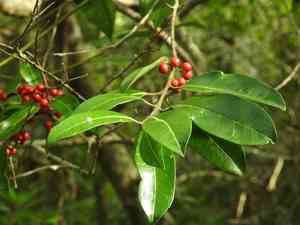
This botanical specimen is recognized for its appealing year-round green leaves and prominent crimson fruits.
2
It's frequently employed in garden design to boost visual charm and draw in local fauna.
3
The flora offers a superb organic method for preventing soil degradation.
What Visual Advantages Does Dahoon Offer?
Year-Round Greenery
A key characteristic of Dahoon is its lush, evergreen leaves that stay vibrant all year. This makes it a favored option for those aiming to incorporate consistent green into their gardens and outdoor spaces. The leaves are a rich green, offering a verdant backdrop for other flora.
Striking Red Fruits
Beyond its evergreen leaves, Dahoon produces eye-catching red berries that introduce a splash of color to any setting. These fruits persist for a long time and enhance visual appeal, particularly in winter when many plants are dormant. They lend a festive look to gardens and are great for holiday decor.
How Does Dahoon Benefit Local Wildlife?
Avian Attraction
The bright red berries of Dahoon are not only appealing to people; they are also a preferred food source for various bird species. The berries offer crucial sustenance during colder months when other food sources might be scarce. This makes Dahoon an excellent choice for those wishing to draw birds to their gardens.
Shelter for Small Creatures
The dense canopy of Dahoon provides superb refuge for small animals and insects. This makes it a vital plant for maintaining a balanced ecosystem in your garden. Small mammals and beneficial insects can find sanctuary among its branches, fostering biodiversity and a healthy environment.
What Environmental Contributions Does Dahoon Provide?
Soil Preservation
One practical advantage of planting Dahoon is its capacity to prevent soil erosion. Its extensive root system helps bind the soil, stopping it from being washed away during heavy rainfall. This makes it an excellent choice for sloped areas and locations prone to erosion.
Air Quality Enhancement
Like many plants, Dahoon aids in improving air quality by absorbing pollutants and releasing oxygen. Its large, evergreen leaves offer a significant surface area for this exchange, making it a valuable plant for urban gardens and areas with poor air quality.
How is Dahoon Utilized in Landscape Design?
Natural Boundaries and Privacy Screens
Due to its dense growth habit, Dahoon is frequently employed to establish natural borders and privacy screens in gardens and landscapes. It can be planted in rows to form hedges, creating a natural barrier that is both attractive and practical.
Decorative Planting
Dahoon is also commonly used as an ornamental plant in garden beds and borders. Its evergreen foliage and vibrant berries make it a prominent feature in any garden design. It pairs well with other plants and can be used to create focal points or add texture and color to mixed plantings.
Why is Dahoon Significant for Ecological Restoration?
Indigenous Plant Recovery
Dahoon is often used in native plant restoration projects due to its adaptability and beneficial ecological characteristics. It helps restore natural habitats and provides food and shelter for native wildlife. This makes it an essential plant for conservation efforts and ecological balance.
Water Management Role
Dahoon can also contribute to water management by stabilizing soil and reducing runoff. Its extensive root system helps retain water in the soil, lessening the risk of flooding and promoting groundwater replenishment. This makes it a valuable plant for sustainable landscaping practices.



