The Common holly Plant Advantage: Maximizing Home and Office Appeal and Wellness
1
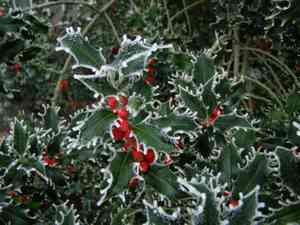
During winter, common holly berries offer sustenance for avian species.
2
Common holly is frequently incorporated into festive decor due to its eye-catching leaves.
3
Its thick leaf growth makes common holly an ideal selection for creating hedges and privacy barriers.
Why is Common holly Beneficial for Wildlife?
A Vital Winter Food Source
One of the key advantages of Common holly is its fruit, which serves as a critical food supply for various bird species during the cold winter months. As other food sources diminish, the bright red berries of Common holly offer much-needed sustenance, helping birds survive the harsher conditions. This makes Common holly an excellent plant for anyone looking to support local wildlife through the colder seasons.
Shelter and Nesting Opportunities
Beyond sustenance, Common holly also provides excellent refuge and nesting sites for small mammals and birds. Its dense, spiny foliage offers a safe hiding spot from predators, ensuring that wildlife can find sanctuary throughout the year. This makes it a valuable addition to any garden focused on promoting biodiversity and supporting local ecosystems.
How Can Common holly Enhance Your Garden?
Aesthetic Appeal and Seasonal Interest
Common holly is well-known for its shiny, pointed leaves and festive red berries, which can add visual appeal to your garden all year long. The evergreen nature of its foliage ensures that your garden remains vibrant even in the depths of winter. Additionally, because Common holly is often associated with holiday decor, it can bring a festive touch to your outdoor space as the holiday season approaches.
Practical Uses in Landscaping
The dense growth habit of Common holly makes it an ideal choice for hedging and creating privacy screens. It can be shaped and trimmed to fit various landscape designs, providing not only beauty but also utility. Whether used as a backdrop for other plants or as a standalone feature, Common holly can help structure your garden and define areas within your outdoor space.
What are the Ecological Benefits of Common holly?
Contributing to Soil Health
Common holly contributes organically to soil health in several ways. Its fallen leaves decompose slowly, enriching the soil with essential nutrients. Moreover, its deep root system helps prevent soil erosion, making it a valuable addition to slopes and areas prone to erosion.
Supporting Pollinators
While Common holly is primarily known for its berries, its flowers also play a crucial role in supporting pollinators such as bees. The small, white blossoms attract pollinators, contributing to the overall health of your garden. Creating a habitat for pollinators is vital for maintaining biodiversity and ensuring the success of other flowering plants in your garden.
Can Common holly be Used in Holiday Decor?
Traditional and Modern Uses
Common holly has long been associated with holiday traditions and is frequently used in wreaths, garlands, and other festive decorations. Its vibrant red berries and lush green leaves bring a classic touch to holiday decor. Beyond traditional uses, Common holly can also be creatively incorporated into modern arrangements, centerpieces, and outdoor displays.
Sustainable Decoration Options
Using Common holly in your holiday decorations is a sustainable choice compared to synthetic materials. By harvesting responsibly and utilizing Common holly from your garden, you can create beautiful, eco-friendly decor that celebrates natureâs bounty. Not only will this reduce waste, but it will also give your holiday decorations an authentic, organic feel.
Are There Practical Gardening Tips for Common holly?
Optimal Planting Conditions
Common holly thrives in well-drained soils and can adapt to various light conditions, from full sun to partial shade. It prefers slightly acidic to neutral soil pH and needs moderate watering, making it relatively easy to care for. Plant Common holly in a location where it can receive enough sunlight to promote healthy growth and berry production.
Pruning and Maintenance
Regular pruning is essential to maintain the shape and health of Common holly. Late winter to early spring is the best time to prune, as it allows the plant to heal and grow robustly throughout the growing season. Removing dead or diseased branches will improve air circulation within the plant, reducing the risk of fungal infections.



