The Orpine Plant Advantage: Maximizing Home and Office Appeal and Wellness
1
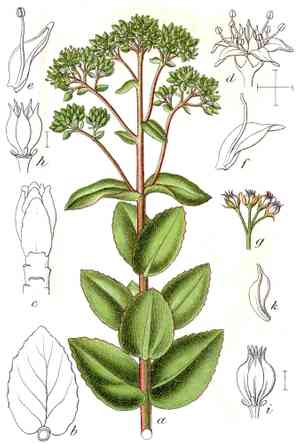
Orpine is an easy-to-care-for plant that flourishes in diverse environments.
2
This botanical offers advantageous qualities for dermal care and injury recovery.
3
Orpine serves as both a decorative element and a promoter of biodiversity through pollinator attraction.
Why Orpine is an Excellent Choice for Your Garden
Minimal Upkeep Requirements
A key characteristic of Orpine is its undemanding nature. This plant needs infrequent watering and flourishes in diverse soil types, from sandy to moderately rich. It exhibits high drought tolerance, making it perfect for areas prioritizing water conservation. Once established, Orpine can endure prolonged dry spells, needing only occasional attention to remove dead foliage and spent blooms.
Adaptable to Various Settings
Orpine offers remarkable flexibility for landscaping purposes. Whether employed as ground cover, in rock gardens, or as part of a perennial border, it adapts well to different garden designs. Its vibrant blossoms, frequently in shades of pink, red, or white, can enhance the visual appeal of any outdoor space. Due to its spreading growth habit, it effectively prevents soil erosion, making it practical for sloped areas.
How Orpine Can Improve Your Personal Well-being
Skin Care Advantages
Historically, Orpine has been incorporated into traditional skin care practices. Its succulent leaves contain ample moisture and soothing compounds that can aid in treating minor skin irritations, such as burns or insect bites. While commercial skincare products are available, you can also leverage the plant's natural properties by simply crushing the leaves to extract the sap and applying it directly to the skin. However, it's always prudent to perform a patch test first to ensure no adverse reaction.
Natural Healing for Wounds
Orpine possesses qualities that make it beneficial for promoting natural wound recovery. The mucilage found in its leaves creates a protective layer over minor wounds or cuts, preventing infection and assisting the skin in regenerating more effectively. The anti-inflammatory components within Orpine can lessen redness and swelling, providing comfort as the wound heals. While it shouldn't replace standard first aid, it serves as a valuable complementary resource in natural wound care.
Does Orpine Benefit the Environment?
Supports Ecological Diversity
Incorporating Orpine into your garden can significantly boost local biodiversity. This plant is known to attract various pollinators, including bees and butterflies. By offering a crucial food source through its nectar-rich flowers, Orpine contributes to sustaining and supporting pollinator populations. This, in turn, helps maintain the overall health of your garden's ecosystem.
Soil Quality Enhancement
Orpine also contributes to improving soil health. Its thick, fleshy leaves decompose slowly and add organic matter to the soil when they fall. This can improve soil structure and nutrient content over time. Additionally, because Orpine often forms dense mats, it helps suppress weed growth, reducing competition for nutrients and enhancing soil conditions.



