The Oakleaf hydrangea Plant Advantage: Maximizing Home and Office Appeal and Wellness
1
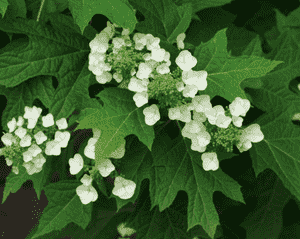
Oakleaf hydrangeas provide continuous aesthetic value due to their distinctive leaves and impressive flowers.
2
They flourish in diverse soil conditions, rendering them adaptable choices for numerous garden environments.
3
These plants can furnish superb living spaces for indigenous fauna, thereby boosting ecological variety.
How Is Oakleaf hydrangea Utilized in Traditional Applications?
Visual Charm
A primary draw for gardeners to Oakleaf hydrangea is its visual charm. The shrub features large, conical flower clusters that change hues as they matureâfrom white to pink to a deep red. Additionally, its leaves turn a striking red or purple in autumn, offering multi-seasonal interest. This visual variety enhances garden dynamism and enjoyment throughout the year.
Adaptable Planting Choices
Oakleaf hydrangea adapts well to various soil types, including clay, loam, and sandy, provided they drain effectively. This adaptability allows for diverse planting options, whether for a woodland garden, a formal landscape, or a mixed border. Furthermore, these shrubs thrive in both sun and partial shade, though they bloom more profusely with ample sunlight.
Are There Any Adverse Effects or Considerations?
Support for Local Wildlife
Oakleaf hydrangea provides significant ecological benefits, especially in supporting local wildlife. Its large flower clusters offer a valuable nectar source for pollinators like bees and butterflies. In autumn, its foliage provides shelter for small mammals and birds, offering crucial habitat during colder months.
Soil Erosion Prevention
The extensive root system of Oakleaf hydrangea makes it an excellent option for preventing soil erosion. When planted on slopes or other erosion-prone areas, the shrub's roots help bind the soil, preventing it from being washed away by rain. This natural erosion control method offers a sustainable alternative to more intrusive techniques.
What Makes Oakleaf hydrangea Visually Appealing?
Watering and Fertilization
Appropriate watering is vital for the health of Oakleaf hydrangea. These shrubs prefer consistently moist, well-drained soil, but not waterlogged. During dry spells, extra watering may be needed to prevent the soil from drying out. For fertilization, a balanced, slow-release fertilizer applied in early spring can encourage robust growth and vibrant blooms.
Pruning and Upkeep
Pruning Oakleaf hydrangea should occur immediately after the blooming season to avoid removing next year's flower buds. Remove any dead or diseased wood, as well as any branches that may be rubbing together. This practice helps maintain the shrub's shape and promotes better air circulation, reducing the risk of fungal diseases.
How Does Oakleaf hydrangea Improve Environmental Sustainability?
Decorative Landscaping
Oakleaf hydrangea serves as an exceptional ornamental plant for various landscaping uses. Its unique flowers and foliage can create focal points in garden beds or act as a stunning backdrop in larger landscape designs. The shrub's natural beauty also makes it a popular choice for cut flowers and floral arrangements.
Seasonal Adornments
Beyond its landscaping uses, Oakleaf hydrangea can also be a source of natural decor. The dried flower heads retain their form and can be used in wreaths, centerpieces, and other craft projects. This versatility allows you to enjoy the beauty of Oakleaf hydrangea both in the garden and inside your home throughout the year.



