The Rose of sharon Plant Advantage: Maximizing Home and Office Appeal and Wellness
1
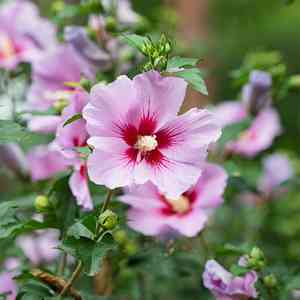
Hibiscus syriacus draws in beneficial insects like bees and butterflies.
2
This shrub can improve the visual appeal of your outdoor space.
3
It needs little care and is very versatile.
What Makes Rose of Sharon So Special?
A Visual Delight
One of the most striking attributes of Rose of Sharon is its magnificent blossoms. These flowers appear in various hues, including white, pink, purple, and red, providing a beautiful spectacle for any garden. The plant's large, prominent flowers can brighten any landscape, making it a central feature in your garden design.
Attracting Beneficial Wildlife
Another significant benefit of Rose of Sharon is its capacity to draw in helpful wildlife, such as bees and butterflies. These pollinators are vital for maintaining your garden's health by assisting in the pollination of other plants. The presence of Rose of Sharon can thus contribute to a more diverse and balanced garden ecosystem.
How Can Rose of Sharon Enhance Your Garden?
Low Maintenance Needs
Rose of Sharon is recognized for its robust nature and minimal care requirements. This plant can flourish in various soil types and endure a range of weather conditions. Its drought resistance and immunity to pests make it an excellent option for gardeners who prefer plants that require little upkeep.
Versatility in Landscaping
Whether you wish to utilize Rose of Sharon as a hedge, a solitary specimen, or even as part of a mixed border, its adaptability makes it suitable for diverse landscaping purposes. The plant's dense foliage can offer privacy and form a natural barrier, while its vibrant blooms can add color and appeal throughout the growing season.
What Are the Health Benefits of Rose of Sharon for Your Garden?
Soil Improvement
The presence of Rose of Sharon in your garden can also enhance soil vitality. The plant's deep root system helps to break up compacted earth, promoting better water penetration and root development for other plants. Furthermore, the organic matter from fallen leaves and flowers enriches the soil with essential nutrients, boosting its fertility.
Erosion Control
Due to its extensive root network, Rose of Sharon is effective in preventing soil erosion. Planting Rose of Sharon on slopes or in areas prone to erosion can help stabilize the ground and lessen the risk of landslides. This makes it an excellent choice for gardens situated on hilly or uneven terrain.
How to Care for Rose of Sharon?
Watering Requirements
Rose of Sharon thrives in well-drained soil and needs moderate irrigation. While it is drought-tolerant, consistent watering during extended dry periods can ensure optimal growth and blooming. It is best to water the plant at its base to avoid wetting the foliage, which can lead to fungal diseases.
Pruning Tips
Pruning Rose of Sharon is crucial for maintaining its form and encouraging new growth. The ideal time to prune is in late winter or early spring, before new shoots appear. Remove any dead or diseased branches, and trim back overgrown stems to promote a healthy and attractive plant structure.
Where to Plant Rose of Sharon in Your Garden?
Choosing the Right Location
Rose of Sharon grows best in full sun to partial shade. It is important to select a spot that receives at least 6 hours of direct sunlight daily for optimal flowering. Ensure the planting site has well-drained soil to prevent waterlogging, which can harm the plant's roots.
Companion Planting
Consider planting Rose of Sharon alongside other sun-loving plants that flourish in similar conditions. Companion planting can improve the overall health and appearance of your garden. Some suitable companions include lavender, salvia, and coneflowers, all of which can create a diverse and visually appealing garden space.



