The Coral bells Plant Advantage: Maximizing Home and Office Appeal and Wellness
1
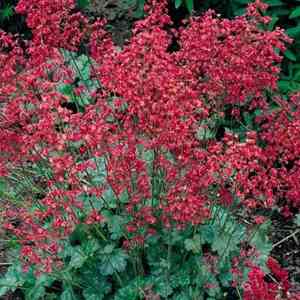
Heuchera draws in helpful pollinators such as bees and hummingbirds.
2
These plants flourish in areas with some shade, allowing them to adapt to various garden locations.
3
Heuchera provides brilliant leaf hues, improving the visual appeal of gardens throughout the seasons.
Why Incorporate Coral Bells in Your Garden?
Visual Allure
Coral bells is celebrated for its eye-catching foliage, available in various shades like green, purple, and silver. The distinct leaves of this plant can elevate any garden design, offering year-round beauty even when not in flower.
Effortless Care
A primary advantage of Coral bells is its minimal care requirements. It flourishes in well-draining soil and only needs moderate irrigation, making it an ideal choice for busy gardeners. Furthermore, it resists most pests and diseases, reducing the need for chemical interventions.
Pollinator Attraction
The blooms of Coral bells draw in a variety of beneficial pollinators, including bees and hummingbirds. This not only aids the plant's reproduction but also supports local ecosystems by providing a food source for these creatures.
Optimal Cultivation Conditions for Coral Bells
Light Needs
Coral bells performs best in partial shade, though it can tolerate full sun in cooler regions. Position it where it receives morning light but is shielded from intense afternoon warmth.
Soil Preferences
Well-draining soil is essential for the robust growth of Coral bells. Enriching garden soil with compost can enhance its texture and fertility. Steer clear of heavy clay soils as they retain too much moisture, potentially leading to root rot.
Watering Requirements
While Coral bells is drought-tolerant once established, it thrives with consistent watering during its initial growth phase. Maintain steady soil moisture but be wary of excessive watering, which can cause fungal issues.
How to Propagate Coral Bells?
Division Method
The simplest method for propagating Coral bells is by division. This should be carried out in spring or fall when the plant is not actively flowering. Gently lift the plant clump from the ground, separate the roots, and replant the divisions in a prepared bed.
Seed Propagation
Propagating from seed is also an option but is less dependable than division. Sow seeds in a well-prepared seed tray, keeping the soil moist but not waterlogged. Transplant seedlings once they have developed a few true leaves.
Landscaping Concepts Featuring Coral Bells
Border Planting
Coral bells makes an excellent choice for border planting. Its colorful leaves can create a striking edge along pathways, garden beds, or patios. Its height and density also help define garden areas, adding structure and form.
Container Cultivation
For those with limited garden space, Coral bells flourishes in containers. Utilize a well-draining potting mix and ensure pots have adequate drainage holes. Combining Coral bells with other shade-loving plants in a container can create an appealing, low-maintenance display.
Common Problems and Solutions for Coral Bells
Pest Issues
While Coral bells is generally pest-resistant, occasional problems with aphids or vine weevils may occur. A mixture of water and mild soap can help manage aphid infestations, while nematodes can be used to combat vine weevils.
Fungal Ailments
Overwatering or inadequate drainage can result in fungal diseases such as powdery mildew or root rot. Ensure proper spacing for air circulation and avoid overhead watering to minimize these risks.



