The Yellow daylily Plant Advantage: Maximizing Home and Office Appeal and Wellness
1
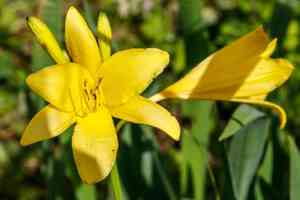
The yellow daylily is recognized for its vibrant yellow blooms and simple maintenance.
2
This species readily adjusts to diverse ground compositions.
3
Yellow daylily serves as an excellent choice for drawing in beneficial insects such as bees.
What Are the Main Advantages of Cultivating Yellow daylily?
Visually Appealing
A primary advantage of Yellow daylily is its aesthetic charm. Featuring vivid yellow blooms that can invigorate any garden with color, this plant is a favored option for decorative landscaping. Its rich, green leaves and graceful flowers can complement various garden styles, making it a flexible choice for diverse design preferences.
Minimal Upkeep
Another significant benefit of Yellow daylily is its undemanding care requirements. Unlike certain other garden plants that demand constant attention, Yellow daylily is comparatively simple to cultivate. It needs little irrigation and resists many pests and diseases, making it an ideal selection for those desiring a beautiful garden without much effort.
How Does Yellow daylily Support Ecological Diversity?
Attracts Pollinators
Yellow daylily is excellent for drawing in pollinators such as bees and butterflies. The plant's flowers produce nectar, which serves as a food source for these helpful insects. By incorporating Yellow daylily into your garden, you can contribute to the local ecosystem and bolster the population of crucial pollinators.
Compatibility with Indigenous Flora
Another way Yellow daylily fosters biodiversity is through its ability to coexist with various native plants. It can live harmoniously with other species, creating a balanced and varied environment. This compatibility aids in cultivating a healthy garden ecosystem, promoting the growth of diverse plant and animal life.
What Are the Optimal Growing Conditions for Yellow daylily?
Soil and Sunlight Needs
Yellow daylily thrives in well-drained soil and can adapt to various soil types, including clay, loam, and sandy soils. For best growth, plant Yellow daylily in an area that receives full sun or partial shade. The plant can endure some drought, but consistent watering will ensure more vibrant blooms.
Planting and Spacing
When planting Yellow daylily, it is crucial to space the plants appropriately to allow for adequate air circulation and development. A distance of about 18 to 24 inches between plants is recommended. This spacing will help prevent overcrowding and lower the risk of disease.
How to Incorporate Yellow daylily into Your Garden Design?
Border Plants
Yellow daylily can be effectively utilized as a border plant along paths, garden beds, or fences. Its bright yellow flowers create a striking contrast against the green foliage, making it an eye-catching addition to any garden layout. Planting Yellow daylily along borders can help define garden areas and create a unified appearance.
Companion Planting
Companion planting with Yellow daylily can also enhance the aesthetic and practical aspects of your garden. Pairing Yellow daylily with other flowering plants like lavender, coneflowers, and ornamental grasses can create a visually appealing and biodiverse environment. These combinations not only look beautiful but also support the overall health of your garden by attracting beneficial insects and deterring pests.
What Are the Best Practices for Maintaining Yellow daylily?
Watering and Fertilizing
While Yellow daylily is relatively drought-tolerant, consistent watering can promote more robust growth and vibrant flowers. Water the plant deeply but infrequently, allowing the soil to dry out between waterings. Applying a balanced, slow-release fertilizer in the spring can provide essential nutrients and encourage healthy blooms.
Pruning and Dividing
To maintain the plant's form and vitality, consider pruning Yellow daylily after the blooming season. Remove spent flowers and dead foliage to encourage new growth. Additionally, dividing the plant every few years can prevent overcrowding and revitalize older plants. This practice involves digging up the plant clump and separating them into smaller sections before replanting.



