The False sunflower Plant Advantage: Maximizing Home and Office Appeal and Wellness
1
Heliopsis helianthoides tolerates dry spells and flourishes in diverse soil types.
2
It draws in helpful pollinators such as bees and butterflies.
3
This plant serves as an attractive decorative element in outdoor spaces and cultivated areas.
Why Consider Cultivating False Sunflower?
Enhancing Garden Visuals
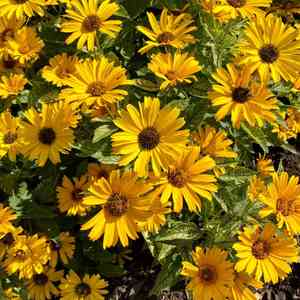
False sunflower boasts bright yellow blossoms resembling small sunflowers. These blooms introduce a burst of color to any garden, creating an attractive landscape. The plant's stature and form can serve as an ideal backdrop or focal point in garden design.
Attracting Beneficial Insects
A key advantage of False sunflower is its capacity to draw in pollinators. Bees, butterflies, and other helpful insects are drawn to the plant's nectar, boosting garden biodiversity. This aids in pollination and supports the ecological balance within your garden.
How Does False Sunflower Contribute to Environmental Health?
Drought Resistance
False sunflower exhibits high drought tolerance, making it a superb option for gardeners in regions with water restrictions or those aiming to conserve water. Once established, this plant needs minimal irrigation, thereby supporting sustainable gardening practices.
Soil Adaptability
Another significant benefit of False sunflower is its ability to flourish in diverse soil types, including poor or rocky soils. This versatility allows you to plant False sunflower in challenging garden areas where other plants might struggle, thus maximizing your garden space efficiently.
What Are the Practical Applications of False Sunflower?
Decorative Applications
False sunflower is frequently utilized as an ornamental plant due to its striking appearance. It can be planted in beds, borders, or as part of a mixed perennial garden. Its vibrant flowers also make excellent cut flowers for arrangements, adding a touch of natural beauty to indoor spaces.
Wildlife Sanctuary
Beyond attracting pollinators, False sunflower offers a habitat for various wildlife. Its dense foliage and tall stems provide shelter for small birds and insects, fostering a healthy and balanced ecosystem in your garden.
Cultivating False Sunflower in Your Garden
Planting Guidelines
For optimal growth, position False sunflower in an area receiving at least six hours of direct sunlight daily. While it adapts to various soil conditions, incorporating compost or organic matter can enhance soil fertility and drainage.
Maintenance and Upkeep
False sunflower requires relatively little maintenance. Regularly removing spent flowers will promote continuous blooming throughout the growing season. Additionally, monitoring for common pests and diseases and taking appropriate action can ensure your plant remains healthy and vibrant.



