The Parrot's beak Plant Advantage: Maximizing Home and Office Appeal and Wellness
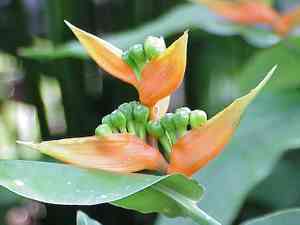
1
Its visual charm and vivid hues render it a favored option for garden design.
2
Contributes to better indoor air by diminishing airborne contaminants.
3
Minimal upkeep needs make it perfect for those with limited time for gardening.
Why Opt for Parrot's Beak in Your Garden?
Visual Appeal
A primary reason homeowners and gardeners select Parrot's beak is its unmatched visual charm. The plant is renowned for its vivid hues, spanning from fiery reds to bright oranges and yellows, which can instantly enliven any garden area. Its distinctive bird-like bloom structure also imparts an exotic touch, making it a focal point in any landscape design.
Adaptability in Design
Another significant benefit of Parrot's beak is its flexibility in landscaping. It can function as a solitary feature, or it can be grouped to form striking visual havens. Its capacity to suit various garden stylesâtropical, contemporary, or rusticâmakes it an all-around winner for diverse outdoor settings.
Indoor Advantages of Parrot's Beak
Improving Air Quality
Indoor air quality is a growing concern, and incorporating plants like Parrot's beak can make a substantial difference. Research indicates that certain plants can absorb harmful pollutants and release oxygen, thereby enhancing the air quality inside homes and offices. Parrot's beak, with its large leaves and rapid growth, is particularly effective at purifying the air and fostering a healthier living environment.
Minimal Upkeep Requirements
One of the most attractive aspects of Parrot's beak for indoor use is its low maintenance needs. This resilient plant thrives in indirect sunlight and requires only moderate watering, making it ideal for those who may lack the time or expertise to care for more demanding plants. Its hardiness ensures it remains lush and vibrant with minimal effort.
Environmental Benefits
Erosion Control
In an era where environmental considerations are paramount, Parrot's beak offers tangible advantages for soil health and erosion prevention. Its extensive root system helps to stabilize soil, reducing erosion and runoff in garden beds and landscaped areas. This makes it a valuable addition to eco-friendly gardening practices.
Biodiversity Enhancement
Introducing Parrot's beak into your garden can also contribute to local biodiversity. Its bright flowers attract a variety of pollinators, including bees, butterflies, and birds, thereby supporting local ecosystems. By planting Parrot's beak, you are not just beautifying your garden but also providing essential resources for wildlife.
Practical Uses of Parrot's Beak
Natural Privacy Screens
Another practical application of Parrot's beak is its potential as a natural privacy barrier. When planted in rows, its dense foliage creates an effective screen that can shield your garden from curious glances and reduce noise pollution. This adds an element of seclusion and peace to your outdoor space.
Windbreaks
In blustery climates, Parrot's beak can serve as an effective wind barrier. Its tall and robust structure helps to break the wind, protecting more delicate plants in your garden and creating a more comfortable outdoor setting. Its multifaceted nature makes it a valuable asset in diverse climatic conditions.



