The Sneezeweed Plant Advantage: Maximizing Home and Office Appeal and Wellness
1
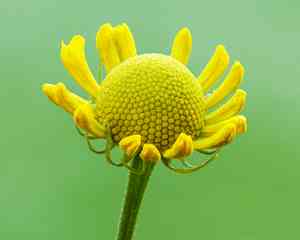
Helenium flourishes in diverse soil conditions and enhances garden ecological variety.
2
Its vibrant yellow blooms draw in beneficial insects such as bees and butterflies.
3
Helenium has been utilized decoratively to design attractive garden settings.
What Makes Sneezeweed a Standout Plant?
Beauty and Visual Appeal
The most striking characteristic of Sneezeweed is undoubtedly its vibrant, cheerful blossoms. These flowers, typically yellow but occasionally orange or red, appear from late summer to early autumn, adding a burst of color to gardens when many other plants have finished their bloom cycle. The distinct, daisy-like appearance of the flowers makes Sneezeweed prominent in any floral arrangement or garden bed.
Low Maintenance Requirements
Sneezeweed is a robust plant that thrives in various soil types, including clay, loam, and sandy soils. It demands minimal upkeep, making it an excellent choice for both beginner and experienced gardeners. The plant's resilience to diverse weather conditions and its ability to flourish with little water make it a dependable and easy-care addition to any garden.
How Does Sneezeweed Benefit Biodiversity?
Attracting Pollinators
One of the significant ecological advantages of Sneezeweed is its capacity to draw in pollinators. Bees, butterflies, and other beneficial insects are attracted to the plant's vivid flowers, aiding in garden pollination. This not only supports the health of Sneezeweed but also benefits nearby plants by enhancing overall pollination rates.
Supporting Wildlife
Sneezeweed offers a food source and habitat for various wildlife, including birds and insects. The plant's seeds and nectar provide sustenance, while its dense foliage offers refuge. By incorporating Sneezeweed into a garden, gardeners can contribute to a more vibrant and supportive environment for local wildlife.
What Are the Ornamental Uses of Sneezeweed?
Garden Design
Sneezeweed is a versatile plant suitable for various garden designs. It performs well in borders, meadows, and wildflower gardens due to its striking appearance and compatibility with other plants. The plant's height and colorful blooms make it an excellent background or focal point in garden plots, enhancing overall visual appeal.
Cut Flowers
Beyond its garden utility, Sneezeweed is valued for its use as a cut flower. The long-lasting blooms hold up well in floral arrangements, making them a popular choice for bouquets and decorative displays. The cheerful colors and sturdy stems ensure that Sneezeweed can brighten indoor spaces just as effectively as outdoor gardens.
How to Cultivate and Care for Sneezeweed?
Planting Guidelines
To successfully grow Sneezeweed, it is best to plant it in a location that receives full sun to partial shade. The plant prefers well-drained soil but can adapt to less-than-ideal conditions. Planting should occur in spring or early fall, allowing the plant to establish strong roots before the extreme temperatures of summer or winter.
Watering and Fertilizing
Sneezeweed is relatively drought-tolerant once established, but consistent watering helps young plants grow vigorously. It is advisable to water deeply but infrequently, ensuring the soil is moist without becoming waterlogged. Although Sneezeweed does not require frequent fertilization, a light application of a balanced fertilizer in early spring can boost growth and flower production.
Common Pests and Diseases Associated with Sneezeweed
Identifying Potential Problems
While Sneezeweed is generally resistant to many pests and diseases, gardeners should still be observant. Common issues include aphids, spider mites, and powdery mildew. Regularly inspecting the plant for signs of these problems allows for early intervention, ensuring the health and vitality of Sneezeweed.
Natural Remedies
If pests or diseases are detected, many natural remedies can assist. For example, spraying the plant with a mixture of water and mild soap can deter aphids without harming the plant. Additionally, introducing beneficial insects such as ladybugs can help control pest populations naturally. For fungal issues, proper spacing and watering practices can minimize the risk of infections like powdery mildew.



