The Firebush Plant Advantage: Maximizing Home and Office Appeal and Wellness
1
Cultivate Firebush to draw in beneficial insects such as butterflies and hummingbirds.
2
Firebush tolerates dry conditions well, making it ideal for water-wise landscaping.
3
It functions as an attractive decorative bush, boasting vivid blooms and abundant leaves.
Why Plant Firebush in Your Garden?
Attracts Pollinators
A key advantage of Firebush is its capacity to draw in various pollinators, such as butterflies and hummingbirds. The plant's bright orange-red blossoms act as a lure for these creatures, creating a vibrant, active garden environment. Pollinators are crucial for garden health as they enable the cross-pollination needed for many plants to produce fruit and seeds.
Offers Drought Tolerance
Another significant benefit of Firebush is its resistance to drought. This makes it an excellent option for xeriscapingâa landscaping technique designed to lessen the need for irrigation. By including Firebush in your garden, you can aid water conservation efforts while enjoying a low-upkeep, resilient plant.
How Does Firebush Benefit the Ecosystem?
Supports Local Wildlife
Firebush's role extends beyond the immediate garden; it aids local wildlife by offering sustenance and refuge. Birds, especially hummingbirds, are drawn to its nectar-rich flowers, while small insects find shelter in its foliage. By planting Firebush, you actively contribute to the nourishment and protection of various wildlife species in your area.
Preventing Soil Erosion
Another ecological advantage of Firebush is its ability to prevent soil erosion. Its well-established root system stabilizes the soil, making it less susceptible to erosion caused by wind and water. This not only preserves the quality of your garden soil but also benefits the broader environment by reducing sediment runoff into nearby water bodies.
What Makes Firebush an Ideal Ornamental Plant?
Aesthetic Appeal
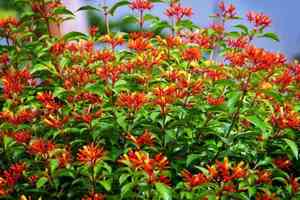
The vivid, tubular flowers of Firebush, coupled with its lush green leaves, make it an attractive choice for decorative gardening. Whether utilized as a standalone shrub or as part of a mixed border, its striking appearance can effortlessly enhance the visual charm of any garden.
Versatility in Landscaping
Firebush provides flexibility when it comes to landscaping. It can be pruned to maintain a specific form or size, making it suitable for hedges or as a focal point in garden beds. Furthermore, its ability to thrive in diverse soil types and sunlight conditions adds to its adaptability, ensuring it can fit well into various garden settings.
Can Firebush Be Used in Sustainable Gardening Practices?
Low Maintenance Requirements
For those aiming to adopt sustainable gardening methods, Firebush is a great selection due to its minimal maintenance needs. It grows well in various soil conditions and can flourish with little watering once established. This ease of care reduces the demand for chemical fertilizers and excessive water use, promoting a more sustainable approach to gardening.
Native Plant Benefits
Choosing Firebush, a native plant, can also contribute to your garden's health and sustainability. Native plants are adapted to the local climate and soil, meaning they generally require fewer resources to grow. Additionally, they provide a more familiar habitat for local wildlife, which can help boost biodiversity and environmental health.
How to Care for Firebush for Optimal Growth?
Ideal Growing Conditions
For peak growth, Firebush prefers full sunlight but can endure partial shade. It thrives in well-drained soil, though it is adaptable to various soil types. You can enhance its blooming potential by providing occasional fertilization during the active growing season.
Pruning and Maintenance
Regular pruning helps Firebush maintain a desired shape and encourages more vigorous flowering. Trim off dead or damaged branches and thin out the shrub's interior to improve airflow. Additionally, mulching around the plant's base can help conserve moisture and reduce weed growth.



