The Oak fern Plant Advantage: Maximizing Home and Office Appeal and Wellness
1
Oak fern improves soil health via its inherent growth mechanisms.
2
This species is valued for its decorative qualities and simple upkeep.
3
Incorporating Oak fern into your landscape aids in preventing soil erosion.
What Makes Oak fern a Unique Plant?
Distinct Features
Oak fern exhibits various unique characteristics that distinguish it from other flora. Its delicate, feathery fronds offer a soft, intricate texture that is visually pleasing and lends an elegant touch to garden settings. This plant flourishes in shaded areas, making it an excellent option for underplanting and establishing lush, green ground cover where other plants might struggle.
Growth Habits
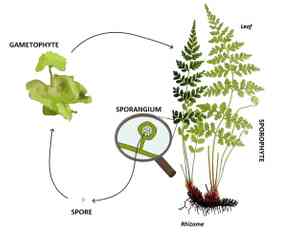
Oak fern displays a rhizomatous growth pattern, meaning it propagates via subterranean stems known as rhizomes. This growth method enables the plant to quickly establish itself, forming thick groupings that can outcompete weeds and provide effective ground cover. Furthermore, Oak fern requires minimal upkeep once established, making it an ideal choice for gardeners seeking a low-maintenance plant.
How Does Oak fern Benefit the Environment?
Soil Improvement
A primary environmental advantage of Oak fern is its capacity to enhance soil quality. As it grows, the plant's root system helps aerate the soil, fostering beneficial microbial activity and improving soil structure. This can lead to better water retention and nutrient availability for nearby plants, contributing to a more vibrant and productive garden ecosystem.
Erosion Control
Oak fern is also highly effective at preventing soil erosion, thanks to its extensive root system and dense foliage. By stabilizing the soil, Oak fern can mitigate erosion on slopes and embankments, safeguarding the landscape from the detrimental effects of heavy rainfall and reducing the risk of soil loss. This makes Oak fern an excellent plant for erosion-prone areas and a valuable asset to conservation efforts.
Why Choose Oak fern for Aesthetic Appeal?
Ornamental Value
Oak fern adds a touch of natural beauty to any garden with its soft, fern-like fronds and rich green hue. Its distinctive texture and form create visual interest, making it a prominent feature in shaded garden beds, borders, and woodland gardens. The plant's graceful appearance also complements a wide range of garden styles, from traditional to contemporary, enhancing the overall aesthetic appeal of the landscape.
Seasonal Interest
Another appealing aspect of Oak fern is its ability to provide year-round seasonal interest. In spring and summer, the plant's vibrant green fronds create a lush, verdant display. As seasons change, the fronds may acquire a golden tint, adding a warm, autumnal touch to the garden. This seasonal variation ensures that Oak fern remains an attractive and engaging presence in the garden throughout the year.
Where Can You Effectively Plant Oak fern?
Ideal Growing Conditions
Oak fern prefers shaded to partially shaded environments with consistently moist, well-drained soil. It thrives in woodland settings, making it an excellent choice for gardens with similar conditions. The plant can also be utilized in shaded borders, beneath trees, and along pathways, where it can create a soft, naturalistic ground cover. Ensuring the soil remains consistently moist will help Oak fern establish and flourish.
Companion Planting
Oak fern pairs well with other shade-loving plants, such as hostas, ferns, and astilbes. Its delicate fronds offer a lovely contrast to the bold foliage and flowers of these companion plants, creating a harmonious and visually appealing garden composition. Additionally, Oak fern's ability to form dense colonies can help suppress weeds and create a more cohesive plant community, reducing the need for mulching and frequent weeding.
How to Care for Oak fern in Your Garden?
Planting and Establishment
To establish Oak fern in your garden, select a location with appropriate light and soil conditions. Plant the rhizomes just beneath the soil surface, spacing them approximately 12 inches apart to accommodate their spreading habit. Water thoroughly after planting and maintain consistent soil moisture to support healthy growth. Adding a layer of mulch around the plants can help retain soil moisture and regulate temperature.
Maintenance Tips
Oak fern is relatively low-maintenance, but a few simple care practices can ensure it remains healthy and vibrant. Water the plant regularly during dry spells to prevent the soil from drying out, and remove any dead or damaged fronds to encourage new growth. Periodic division of the rhizomes can also help control the plant's spread and rejuvenate older colonies, ensuring your Oak fern remains a thriving part of your garden landscape.



