The Soybean Plant Advantage: Maximizing Home and Office Appeal and Wellness
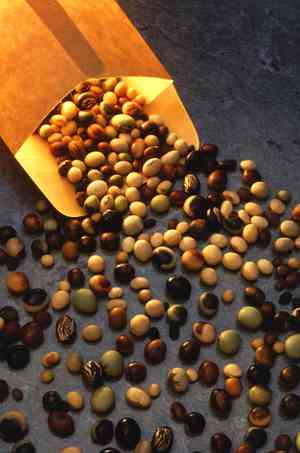
1
Soybeans offer abundant premium protein, serving as an excellent substitute for meat.
2
This adaptable crop plays a vital role in improving soil quality and crop cycling.
3
It contains numerous crucial vitamins and minerals, such as vitamin K and iron.
What Nutritional Benefits Does Soybean Offer?
Rich Source of High-Quality Protein
Soybean is well-known for its substantial protein content. Unlike many other plant-based options, the protein in Soybean contains all vital amino acids, making it an excellent substitute for meat in vegetarian and vegan diets. Additionally, its protein is easily digested, meaning your body can effectively use it for muscle repair and growth.
Packed with Essential Vitamins and Minerals
Beyond protein, Soybean is a nutritional powerhouse. It supplies crucial vitamins such as vitamin K, vital for bone health and blood clotting, and vitamin B complex, which supports energy production and metabolic functions. Moreover, Soybean is abundant in minerals like iron, necessary for oxygen transport in the blood, and magnesium, which aids in muscle and nerve function.
How Does Soybean Contribute to Sustainable Agriculture?
Improving Soil Health
Soybean is a legume, meaning it can naturally fix atmospheric nitrogen into the soil through a symbiotic relationship with rhizobia bacteria found in its root nodules. This process enriches the soil with nitrogen, reducing the need for chemical fertilizers and promoting healthier crop growth in subsequent planting seasons.
Crop Rotation Benefits
Soybean plays a significant role in effective crop rotation practices. By rotating Soybean with other crops, farmers can break cycles of pest and disease buildup in the soil. This leads to healthier plants and reduces the reliance on chemical pesticides. Additionally, rotating crops helps maintain soil structure and fertility, preventing issues like soil erosion and nutrient depletion.
What are the Environmental Advantages of Growing Soybean?
Reducing Greenhouse Gas Emissions
The cultivation of Soybean can contribute to lowering greenhouse gas emissions. Unlike livestock farming, which produces methaneâa potent greenhouse gasâSoybean farming produces minimal methane. As more people adopt plant-based diets incorporating Soybean, the overall environmental footprint of food production can decrease significantly.
Energy Efficiency
Growing Soybean requires less energy compared to many other agricultural crops. This is partly due to its nitrogen-fixing abilities, which reduce the need for synthetic fertilizers that require substantial energy to produce. Furthermore, the relatively low input requirements for growing Soybean make it an energy-efficient choice for sustainable farming.
How Can You Incorporate Soybean into Your Diet?
Versatile Food Ingredient
Soybean can be consumed in various forms, making it a versatile addition to your diet. Common products include tofu, tempeh, soy milk, and edamame. Each form offers different textures and culinary possibilities, allowing you to enjoy Soybean's nutritional benefits in multiple tasty dishes.
Healthy Meal Ideas
Looking for meal inspiration? Try adding roasted Soybean to salads for a protein boost or blending it into smoothies for added creaminess and nutrients. You can also use Soybean products like tofu in stir-fries, soups, and even desserts. With its mild flavor, Soybean easily adapts to a variety of cuisines and cooking styles.
What Role Does Soybean Play in Global Food Security?
Affordable and Accessible Nutrition
Soybean is not only nutritious but also affordable, making it a vital food source for populations worldwide. Its ability to grow in varied climates and soils enhances food security, particularly in regions where other protein sources are scarce or expensive.
Supporting Smallholder Farmers
The cultivation of Soybean provides economic opportunities for smallholder farmers. By growing Soybean, farmers can diversify their crops, improve soil health, and increase their income through both local sales and global export markets. This contributes to more stable and resilient rural communities.



