The Yellow horned poppy Plant Advantage: Maximizing Home and Office Appeal and Wellness
1
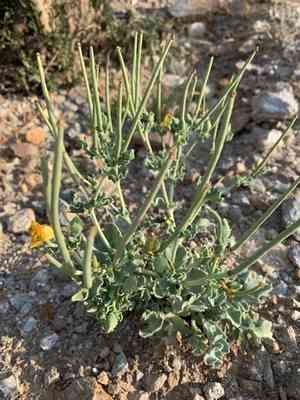
The yellow horned poppy flourishes in seaside areas and sandy ground.
2
Its bright yellow blooms enhance the beauty of any garden.
3
Historically, the yellow horned poppy served several practical functions.
What Makes Yellow horned poppy Unique?
Botanical Characteristics
A prominent attribute of Yellow horned poppy is its vivid yellow blossoms, which can instantly brighten any setting. This robust plant is well-suited for seaside environments where it flourishes in sandy and often harsh soil conditions. Its capacity to thrive in such settings highlights its resilience.
Adaptation to Environment
Unlike many plants that demand rich, fertile soil, Yellow horned poppy is remarkably versatile. It can endure salty winds, poor soil, and arid conditions, making it an excellent choice for planting in challenging environments. This adaptability not only makes it a practical option for gardeners but also means it can play a crucial role in stabilizing sandy soils and preventing erosion.
Ecological Benefits of Yellow horned poppy
Supporting Biodiversity
Yellow horned poppy significantly contributes to local ecosystems. By offering a habitat and nectar source for various pollinators like bees and butterflies, it supports biodiversity. The plantâs role in the food web is vital, as it aids in the reproduction of many insect species, which in turn supports bird and other wildlife populations.
Soil Stabilization
One of the key ecological functions of Yellow horned poppy is its ability to stabilize soils. Coastal areas, often plagued by erosion due to wind and water, greatly benefit from the root systems of Yellow horned poppy. These roots help bind the soil, reducing the risk of sand and soil erosion. This can be particularly beneficial in conservation efforts aimed at protecting fragile coastlines.
Practical Uses of Yellow horned poppy
Aesthetic Value in Landscaping
For gardeners and landscape designers, Yellow horned poppy offers a unique aesthetic appeal. Its bright yellow flowers provide a stark contrast to the greenery of other plants, making it a popular choice for ornamental gardens. Additionally, its hardy nature means that it requires minimal maintenance, making it an attractive option for those looking to add vibrant color to their gardens without dedicating too much time to upkeep.
Traditional Applications
Historically, Yellow horned poppy has been used in various traditional practices. While specific applications can vary by region, the plant has often been valued for its tough and fibrous stems, which were sometimes used in crafting and other utilitarian purposes. Its seeds and flowers might also have been utilized in traditional methods for their aromatic qualities.
How to Cultivate and Care for Yellow horned poppy
Planting Conditions
Yellow horned poppy is generally easy to cultivate, especially in regions that mimic its natural coastal habitat. For best results, plant it in well-drained sandy soil. It thrives in full sunlight, which helps produce more vibrant flowers. Itâs also quite tolerant of salty conditions, making it an ideal candidate for seaside gardens.
Maintenance Tips
Once established, Yellow horned poppy requires very little maintenance. Watering should be minimal, as the plant is quite drought-tolerant. Occasional pruning can help manage its size and shape, but otherwise, itâs a low-maintenance addition to any garden. Regularly check for any signs of pests or disease, although Yellow horned poppy is generally resistant to many common plant ailments.



