The Bloody cranesbill Plant Advantage: Maximizing Home and Office Appeal and Wellness
1
Geranium sanguineum exhibits excellent tolerance to dry conditions, making it suitable for water-wise landscaping.
2
Its vivid blooms draw in beneficial insects, boosting the variety of life in your outdoor space.
3
As a superb groundcover, Geranium sanguineum aids in preventing soil loss and suppressing unwanted plant growth.
Why Select Bloody Cranesbill for Your Outdoor Space?
Visual Charm
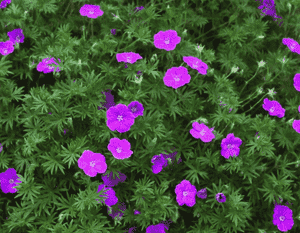
Bloody cranesbill is celebrated for its striking deep-pink to magenta blooms that inject a lively burst of color into any garden. Its flowers bloom abundantly from late spring through summer, creating a stunning visual display. Its spreading habit forms thick mounds of leaves, offering year-round appeal and a lush, full look to garden beds and borders.
Minimal Upkeep Needs
A key advantage of Bloody cranesbill is its low maintenance requirements. This resilient perennial flourishes in diverse soil types and conditions, including poor, rocky ground. It's drought-resistant once established, needing little wateringâan ideal choice for gardens requiring less attention. Furthermore, its resistance to pests and diseases significantly reduces the need for chemical interventions, fostering a healthier garden environment.
How Does Bloody Cranesbill Benefit Pollinators?
Attracting Bees and Butterflies
The vibrant blooms of Bloody cranesbill act as a magnet for pollinators such as bees and butterflies. These beneficial insects are drawn to the nectar-rich flowers, promoting a thriving ecosystem in your garden. By cultivating Bloody cranesbill, you contribute to the preservation of pollinator populations, vital for maintaining biodiversity and environmental health.
Boosting Biodiversity
Bloody cranesbill plays a crucial role in enhancing garden biodiversity. Its flowers provide essential food sources for pollinators, while its dense foliage offers shelter and protection for other beneficial insects. This intricate network of interactions supports a sustainable garden ecosystem where plants and wildlife coexist harmoniously.
The Function of Bloody Cranesbill in Soil Preservation
Preventing Soil Erosion
The deep root system of Bloody cranesbill helps stabilize soil, effectively preventing erosion. Its roots bind soil particles together, lessening the impact of heavy rains and wind. This makes Bloody cranesbill an excellent option for areas prone to erosion, especially on slopes and banks where soil retention is critical.
Inhibiting Weed Growth
As a ground cover, Bloody cranesbill forms a thick mat of foliage that effectively suppresses weed growth. By thoroughly covering the soil, it limits the space and resources available for weeds to establish and flourish. This natural weed control method reduces the need for chemical herbicides, promoting a cleaner and safer garden environment.
Integrating Bloody Cranesbill into Your Garden Layout
Optimal Planting Conditions
Bloody cranesbill thrives in well-drained soil with moderate fertility. It prefers full sun to partial shade, making it adaptable for various garden spots. Before planting, ensure the soil is well-prepared by loosening it to improve drainage and incorporating organic matter to boost fertility.
Strategic Placement
When incorporating Bloody cranesbill into your garden design, consider its growth habit and height. It's perfect for the front of borders, along pathways, or as a ground cover in rock gardens. Pair it with other perennials that share similar growing conditions, like Salvia or Catmint, to create visually appealing and harmonious planting schemes.
Seasonal Care Advice for Bloody Cranesbill
Spring and Summer Maintenance
In spring, remove any dead foliage to encourage new growth. Regularly deadhead spent flowers to extend the blooming period and maintain a neat appearance. During summer, monitor soil moisture and water during prolonged dry spells, though Bloody cranesbill is quite drought-tolerant.
Autumn and Winter Maintenance
In autumn, trim back the foliage if it becomes untidy. Mulching around the base of the plant can help protect the roots during winter and retain soil moisture. Bloody cranesbill is hardy and can withstand cold temperatures, but ensure it's not in waterlogged soil, which can cause root rot.



