The Snowdrop Plant Advantage: Maximizing Home and Office Appeal and Wellness
1
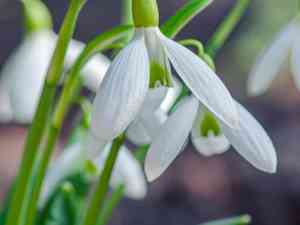
The snowdrop, an early flowering plant, can enhance your garden's aesthetic appeal even in the depths of winter.
2
Snowdrops aid pollinators by offering an initial supply of nectar and pollen.
3
Snowdrops are low-maintenance plants, needing little attention once they've settled in.
How Can Snowdrop Improve Your Garden?
Early Blossoms for Seasonal Appeal
A key characteristic of Snowdrop is its early flowering period. This plant frequently begins blooming as early as January or February, offering a burst of beauty when few other plants are in flower. By adding Snowdrop to your garden, you can enjoy a picturesque landscape even during the late winter months.
Flexible Design Choices
Snowdrop is highly adaptable for garden design. Whether you're aiming for a naturalistic woodland setting or a more structured border, Snowdrop integrates seamlessly into various garden styles. Group them together for a striking effect or scatter them for a more whimsical feel.
Effortless Upkeep and Durability
One of the most attractive aspects of Snowdrop is its minimal maintenance needs. Once established, it requires very little attention, making it an excellent choice for both beginner and busy gardeners. It's resistant to cold weather and can flourish in various soil conditions, provided they are well-drained.
Why is Snowdrop Important for the Environment?
Supporting Early Pollinators
Snowdrop is a valuable resource for early pollinators like bees. As one of the first plants to bloom in late winter and early spring, it provides essential nectar and pollen when food sources are scarce. This early support helps sustain pollinator populations until more plants begin to flower later in the season.
Soil Health and Erosion Prevention
Snowdrop contributes to improving soil health and preventing erosion. Its root system helps stabilize the soil, reducing the risk of erosion, especially on slopes and in areas prone to runoff. Additionally, Snowdrop can add to the soil's organic matter, enhancing its overall fertility and structure.
Biodiversity Enhancement
Introducing Snowdrop to your garden can increase plant diversity, which in turn supports a wider array of wildlife. A diverse plant community creates a more resilient ecosystem, attracting beneficial insects, birds, and other wildlife that contribute to the overall health of your garden.
What Else Should You Know About Snowdrop?
Optimal Growing Conditions
Snowdrop thrives best in filtered light or partially shaded areas. While it can tolerate full sun, especially in cooler climates, it prefers moist, well-drained soil. It's also worth noting that Snowdrop is relatively deer-resistant, making it a good option for gardens that experience wildlife disturbances.
Propagation Techniques
Propagating Snowdrop is relatively straightforward. The most common method is by dividing bulbs, ideally performed just after the plant has flowered. Carefully dig up and separate the bulbs, then replant them at the same depth they were growing. This not only helps spread the plant but also ensures robust growth in subsequent years.
Companion Planting Suggestions
When planning your garden, consider pairing Snowdrop with other early spring bloomers such as crocuses and hellebores. This combination can create a stunning display and provide continuous blooms from winter into spring. Additionally, ferns and hostas make excellent companion plants for Snowdrop, as they start to emerge just as Snowdrop finishes its blooming cycle.



