The Hardy fuchsia Plant Advantage: Maximizing Home and Office Appeal and Wellness
1
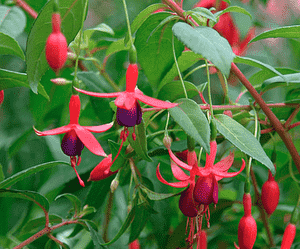
Hardy fuchsia is recognized for its stunning, colorful blooms that draw in beneficial insects.
2
This plant demonstrates remarkable toughness, flourishing across diverse environmental conditions.
3
Incorporating Hardy fuchsia into your outdoor space can boost its visual charm and ecological variety.
Why Select Hardy Fuchsia for Your Garden?
Visual Charm
Hardy fuchsia showcases magnificent blossoms in diverse hues, including crimson, rose, and violet. These vivid flowers can introduce a burst of color to any garden, enhancing its visual appeal. The plant also features graceful, arching stems that provide an elegant look, adding depth and dimension to your garden's layout.
Attracts Pollinators
A key advantage of Hardy fuchsia is its capacity to draw in pollinators like bees, butterflies, and hummingbirds. These pollinators are crucial for garden health, as they assist in plant fertilization, leading to fruit and seed production. By incorporating Hardy fuchsia, you can foster a more vibrant and flourishing ecosystem.
How Does Hardy Fuchsia Boost Biodiversity?
Supports Diverse Wildlife
Hardy fuchsia offers both sustenance and refuge for various creatures in your garden. Its dense foliage provides a secure haven for small birds and insects, forming a miniature ecosystem within your garden. This variety can naturally help manage pest populations, lessening the need for chemical interventions.
Plant Durability
Hardy fuchsia is remarkably robust and adaptable to different climates and soil conditions. This resilience means it can flourish where other plants might struggle, ensuring your garden stays lush and vibrant year-round. Its ability to endure harsh conditions makes it a dependable choice for both new and seasoned gardeners.
What are the Care Requirements for Hardy Fuchsia?
Minimal Upkeep
One of the most attractive features of Hardy fuchsia is its low maintenance demands. The plant doesn't require frequent watering or feeding, making it an excellent option for busy gardeners. It can withstand dry spells and still maintain its health and beauty.
Trimming and Care
While Hardy fuchsia is easy to care for, occasional trimming can help maintain its form and encourage more abundant flowering. Removing dead or damaged branches will also prevent diseases and pests from establishing. With minimal effort, you can keep your Hardy fuchsia looking its best throughout the year.
Where is the Optimal Spot to Plant Hardy Fuchsia?
Ideal Growing Conditions
Hardy fuchsia thrives in locations with partial shade to full sun. It can grow well in various soil types, though well-draining soil is preferable. Planting it in a sheltered area can also protect it from strong winds and extreme weather.
Garden Design Concepts
Hardy fuchsia can be utilized in numerous ways to enhance your garden's design. Its striking blooms and arching branches make it ideal for borders, containers, or as a prominent feature plant. Pairing it with other flowering plants can create a harmonious and visually appealing display.
How to Propagate Hardy Fuchsia?
Propagation Methods
Hardy fuchsia can be propagated using cuttings or seeds. Taking softwood cuttings in spring or early summer and rooting them in well-draining compost is a common technique. Seeds can also be sown, but this approach demands more patience and attention.
Tips for Successful Propagation
Ensure cuttings are taken from healthy, disease-free plants. Use a rooting hormone to boost the chances of successful rooting. Keep cuttings in a warm, humid environment until roots develop. For seeds, adhere to recommended depth and spacing guidelines for optimal growth.



