The Pumpkin ash Plant Advantage: Maximizing Home and Office Appeal and Wellness
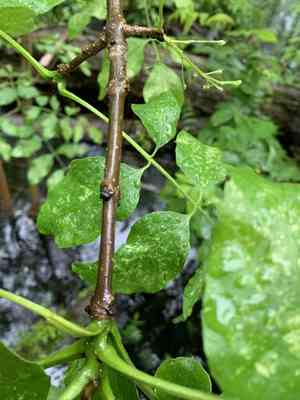
1
Originating from North American swamps and wetlands, Pumpkin ash plays a vital ecological role.
2
This species offers considerable advantages in water purification and securing shorelines.
3
Pumpkin ash yields useful wood and aids in carbon capture, assisting in the battle against global warming.
How Does Pumpkin ash Contribute to Environmental Health?
Water Filtration and Purification
A key environmental advantage of Pumpkin ash is its ability to filter and purify water. This plant thrives in marshy, wetland environments, where it naturally removes pollutants and heavy metals from water. Its roots act like a sponge, absorbing harmful chemicals and leading to cleaner, safer water bodies. This function is vital for maintaining healthy aquatic ecosystems and providing purer water for nearby communities.
Shoreline Stabilization
Pumpkin ash is crucial for stabilizing shorelines and preventing soil erosion. Its extensive root system helps anchor soil along riverbanks, lakes, and other water bodies. This stabilization prevents severe erosion, which can cause land loss and degrade water quality. By securing the soil, Pumpkin ash protects against water flow that could otherwise wash away vital nutrients and contribute to ecological imbalances.
What Economic Benefits Does Pumpkin ash Offer?
Valuable Timber Resource
Known for its strong and durable wood, Pumpkin ash is a valuable timber resource, widely used in furniture, flooring, and even sporting goods. The timber from this plant is in high demand due to its strength, varied grain patterns, and versatile uses. The logging and timber industries greatly benefit from the sustainable harvesting of Pumpkin ash, which in turn supports local economies.
Carbon Sequestration
In the fight against climate change, Pumpkin ash is highly effective at carbon sequestration. The plant absorbs carbon dioxide from the atmosphere and stores it in its wood, reducing the overall carbon footprint. This attribute not only adds to forest carbon stocks but also helps mitigate the negative impacts of climate change. Through responsible forestry, we can maximize Pumpkin ash's carbon-capturing potential, benefiting the planet and achieving climate goals.
How Does Pumpkin ash Benefit Society and Community?
Aesthetic and Recreational Value
Pumpkin ash enhances the aesthetic appeal of landscapes, offering scenic beauty that draws visitors and nature lovers. Public parks and natural reserves featuring Pumpkin ash provide recreational spaces for hiking, bird-watching, and other outdoor activities. These areas not only benefit individuals by offering a healthy environment for physical activity but also foster a sense of community and well-being.
Biodiversity Support
Pumpkin ash plays a significant role in supporting biodiversity. It provides habitats for various wildlife species, including birds, insects, and small mammals. The foliage and trunk of Pumpkin ash offer shelter and breeding grounds, improving the survival chances of these species. By supporting diverse life forms, Pumpkin ash contributes to a balanced ecosystem and advances conservation efforts.



