The Manchurian ash Plant Advantage: Maximizing Home and Office Appeal and Wellness
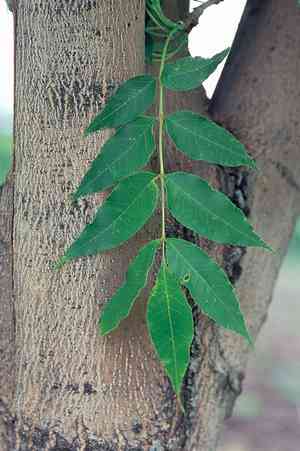
1
Manchurian ash offers superb shade and can boost your garden's visual charm.
2
Manchurian ash timber is prized for its robustness in carpentry.
3
Manchurian ash can enrich soil by contributing organic material and vital elements.
Why Plant Manchurian Ash?
Boosts Garden Beauty
A primary reason to consider Manchurian ash is its undeniable visual appeal. This tree boasts expansive, thick foliage that offers ample shade, making it an ideal addition to any garden. Its graceful appearance can significantly enhance your outdoor space's charm. Beyond its beauty, the leaves change color seasonally, providing continuous visual interest.
Offers Significant Shade
Beyond its aesthetic value, Manchurian ash is well-known for providing substantial shade. With its broad canopy, this tree species can create a cool, shaded area in your garden, particularly useful during hot summer months. The shade not only makes your garden more comfortable but also helps lower the overall temperature, offering a welcome escape from the heat.
Practical Advantages of Manchurian Ash
Enhances Soil Quality
Another notable benefit of Manchurian ash is its capacity to improve soil quality. The leaves and small branches that fall from the tree naturally decompose, returning vital organic matter and nutrients to the soil. This process enriches the soil, making it more fertile and better suited for cultivating other plants. Over time, this natural composting can significantly boost your garden's overall health.
Durable Wood for Various Uses
The wood of Manchurian ash is highly valued for its strength and longevity. It has been widely utilized in woodworking and construction. Whether you're crafting furniture, building a deck, or simply need sturdy material for a DIY project, Manchurian ash wood provides a dependable and high-quality option. Its resilience ensures it can endure over time, making it a valuable resource.
Manchurian Ash's Role in Environmental Sustainability
Supports Local Wildlife
In addition to its direct benefits to human activities, Manchurian ash also plays a vital role in supporting local wildlife. The tree offers habitat and food for various birds and insects. Its dense foliage provides shelter and nesting sites, while its flowers and leaves serve as food sources. By planting Manchurian ash, you contribute to the local ecosystem and promote biodiversity.
Reduces Carbon Emissions
Planting Manchurian ash can also help decrease your carbon footprint. Trees are known to absorb carbon dioxide and release oxygen, contributing to the reduction of greenhouse gases in the atmosphere. Manchurian ash is no exception. By incorporating this plant into your garden, you are taking a proactive step towards combating climate change and fostering a healthier environment.
Caring for Manchurian Ash in Your Garden
Ideal Growing Conditions
To ensure your Manchurian ash thrives, it's crucial to provide the correct growing environment. This plant prefers well-drained soil with a neutral to slightly acidic pH. It grows best in full sunlight but can also tolerate partial shade. Consistent watering is essential, especially during the initial planting phase, to help establish strong roots. Mulching around the tree's base can help retain moisture and keep the roots cool.
Pest and Disease Management
While Manchurian ash is relatively hardy, it is not immune to pests and diseases. Common issues include fungal infections and insect infestations. Regular monitoring and prompt action can help manage these problems effectively. Pruning dead or diseased branches and applying appropriate treatments can keep your tree healthy. Organic solutions like neem oil and beneficial insects can also be used to control pests naturally.



