The European ash Plant Advantage: Maximizing Home and Office Appeal and Wellness
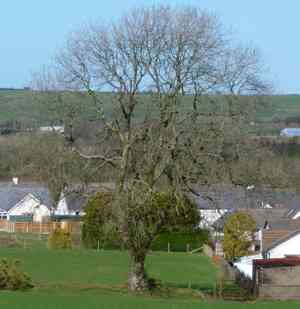
1
European ash contributes vital nourishment to enhance soil quality.
2
The timber of European ash is greatly prized for its strength and pliability.
3
Foliage from European ash serves as an organic ground cover to enrich garden earth.
How Does European ash Improve Soil Quality?
Boosting Soil Fertility
A key advantage of European ash is its capacity to enhance soil fertility. This plant naturally increases the soil's nutrient content, fostering more robust plant growth in its vicinity. The shedding of its foliage and branches creates an organic layer on the ground, which breaks down and releases vital minerals, contributing to soil enrichment.
Strengthening Soil Structure
Beyond just enrichment, European ash also plays a vital role in strengthening soil structure. Its roots penetrate deep into the earth, forming aeration channels that allow water and oxygen to reach deeper soil layers. This not only aids in maintaining soil moisture balance but also reduces erosion by stabilizing the ground.
What Makes European ash Timber So Valuable?
Durability and Pliability
European ash is highly prized for its exceptionally durable and pliable timber. This wood is renowned for its resistance to wear and tear, making it a preferred material for crafting furniture, tools, and sports equipment. Its inherent flexibility enables it to absorb shocks and impacts, which is why it's also used in creating high-quality bows and musical instruments.
Environmentally Friendly Resource
Utilizing European ash timber is an eco-conscious choice as it is a renewable resource. The sustainable cultivation and harvesting of European ash ensure its continued environmental contribution while providing premium wood. This makes it a favored option among environmentally aware consumers.
How Can European ash Promote Ecological Equilibrium?
Supporting Wildlife
European ash is crucial in supporting local wildlife. Its branches and leaves offer refuge for various bird species and small animals. Furthermore, the plant's seeds are a valuable food source for many types of fauna, aiding in the survival and proliferation of these species.
Air Purification
Another significant benefit of European ash is its capacity to purify the air. Through photosynthesis, European ash absorbs carbon dioxide and releases oxygen, which helps maintain healthier air quality. This natural air cleansing process benefits both humans and animals living near these plants.
Can European ash Be Utilized in Gardening?
Effective Mulching Material
Gardeners can greatly benefit from using European ash leaves as mulch. These leaves decompose slowly, releasing nutrients over time and providing a sustainable source of nourishment for garden plants. The mulch helps retain soil moisture, suppress weeds, and regulate soil temperatures.
Assisting in Composting
European ash is also an excellent addition to compost bins. Its leaves and branches, when composted, break down to form rich, organic compost that can be used to enhance garden soil. This compost improves soil texture, supplies necessary nutrients, and boosts the overall health of plants.
Why Is European ash an Excellent Choice for Landscaping?
Aesthetic Appeal
European ash offers considerable visual appeal, making it a popular choice for landscaping and urban planning. Its lush foliage and graceful form add beauty to any setting, be it parks, streets, or private gardens. Its ability to provide shade and its visually pleasing structure make it an attractive addition to landscapes.
Low Maintenance
Additionally, European ash is known for its minimal maintenance requirements, making it a hassle-free option for both amateur and professional landscapers. It thrives in various soil types and climates, provided it has sufficient water and sunlight. This adaptability ensures that European ash flourishes in different environments with little upkeep.



